

Introduction: Why Divorce Leads are a Lucrative and Meaningful Niche
Real estate divorce leads refer to potential clients who are going through a divorce and need to sell or manage real estate as part of their asset division. This often overlooked market segment is valuable for several reasons:
- High Motivation: Divorce often creates an urgent need to sell property quickly.
- Asset Division: Real estate is typically a major asset that must be divided, driving transactions.
- Unique Opportunity: Real estate professionals can offer sensitive, specialized assistance during a challenging time.
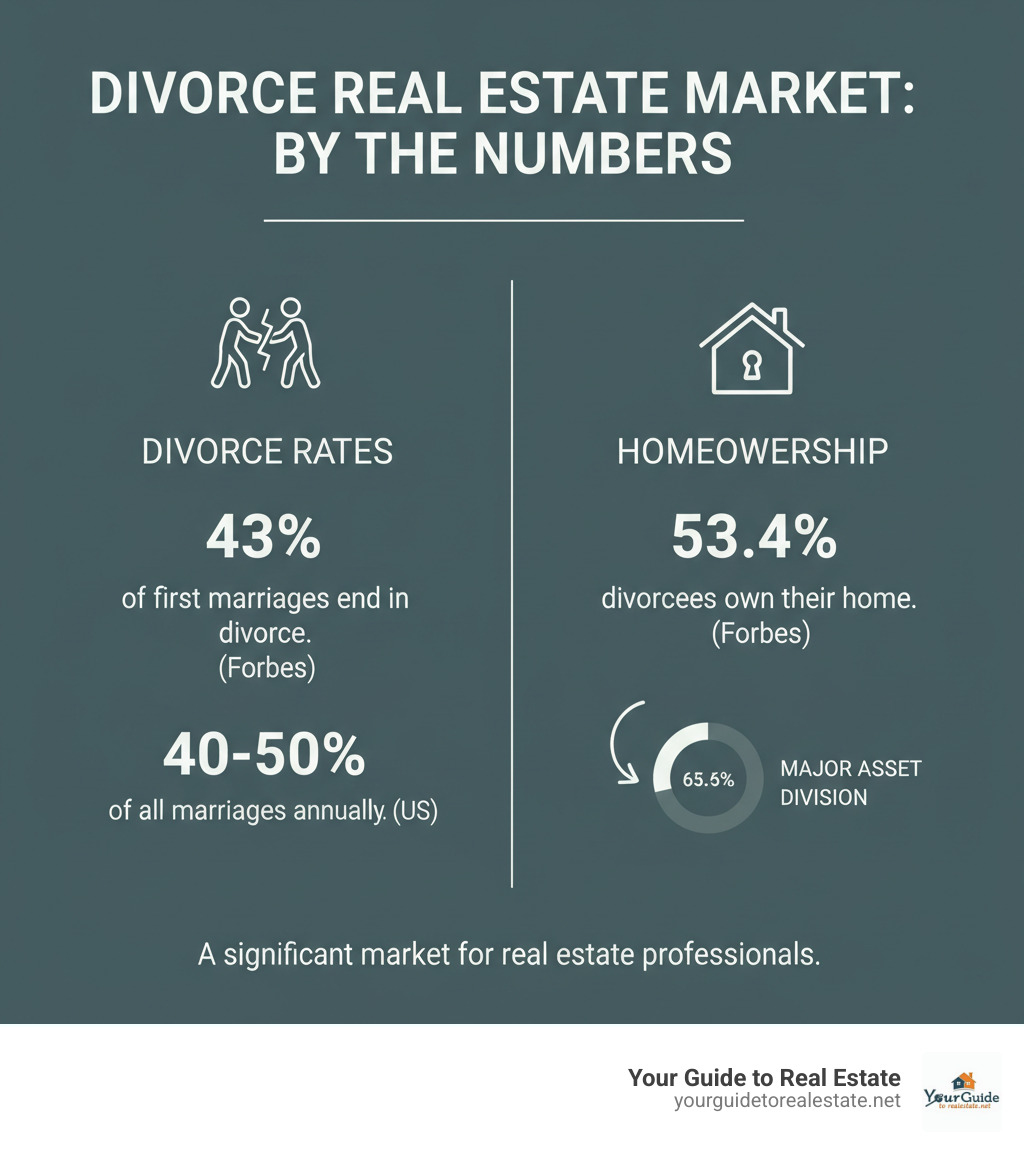
Approximately 40% to 50% of marriages in the United States end in divorce each year. This significant life event often involves the complex division of assets, with real estate being a primary concern. According to Forbes, 43% of first marriages end in divorce, and a majority of divorcees (53.4%) own their homes. This creates a steady stream of potential clients who need expert guidance.
For real estate professionals, this presents a unique opportunity to provide much-needed support during a difficult transition. It also allows agents to work with highly motivated sellers, as divorcing couples must steer complex property ownership dynamics. This guide explores how to steer this sensitive niche, showing you how to successfully work with divorce real estate leads as both a lucrative business strategy and a way to serve your community with compassion.
Real estate divorce leads vocabulary:
- how to become a real estate agent
- what can you do with a real estate license
- does renters insurance cover storage units
Understanding the Value and Nature of Divorce Leads
When it comes to real estate, not all leads are created equal. Real estate divorce leads are a special category, often coming with a unique urgency and a clear path to action. When a major asset like the family home needs to be divided, it’s about more than just selling a house; it’s about closing one chapter and opening a new one.
Divorce situations often create highly motivated sellers. Unlike those just testing the waters, divorcing couples frequently need to move quickly to turn their shared home into liquid assets and finalize legal proceedings. This urgency means transactions are often time-sensitive, which can lead to quicker sales and a more predictable income stream for a real estate professional.
What’s more, this niche often has less competition. Many agents shy away from the emotional complexities of divorce. For those willing to approach it with empathy and expertise, it’s a chance to become the trusted expert in a market where specialized help is desperately needed.
Why Focus on Real Estate Divorce Leads?
There are compelling reasons to specialize in real estate divorce leads. It’s not just good for business; it’s also incredibly rewarding.
First, it’s a steady lead source. Divorce is a reality for many families, creating a continuous need for real estate assistance regardless of what the broader market is doing.
You’ll also find higher transaction volume. A divorcing couple might need to sell their shared home, and then each person often needs to buy a new place. One lead can turn into three transactions: “sell one, buy two.”
Beyond immediate sales, you’ll find incredible referral opportunities. When you help someone through such a sensitive time, they remember you. Divorce attorneys, family mediators, and financial advisors also become key partners, creating a powerful and consistent referral pipeline.
At its heart, working with these clients is about helping people in need. You’re providing a crucial service during one of the most challenging periods of their lives. This kind of community support is deeply rewarding and will naturally build a strong reputation for genuine care and competence, helping you stand out in a crowded market.
Plus, it’s worth noting that divorce is a valid financial hardship for things like loan modifications. Understanding this can be a huge help when you’re advising your clients on all their options.
How Divorce Leads Differ from Traditional Leads
It’s important to understand that real estate divorce leads are quite different from your everyday clients. Here’s a quick look at how they compare:
| Factor | Divorce Leads | Traditional Leads |
|---|---|---|
| Motivation | High urgency, often court-mandated or financially driven for asset division. | Varies from casual interest to firm plans, often driven by lifestyle changes. |
| Timeline | Often expedited, with pressure to sell quickly to finalize divorce. | More flexible, can extend over several months or longer. |
| Emotional State | High stress, sadness, anger, potential conflict between parties. | Generally positive (e.g., upsizing, relocating) or neutral. |
| Complexity | Dual decision-makers (often adversarial), legal intricacies, financial division. | Typically single or unified decision-maker, fewer legal complexities. |
| Price Sensitivity | May prioritize a quick sale over maximizing profit due to urgency. | Aims to maximize profit, less pressure on speed of sale. |
As you can see, working with divorcing clients means stepping into a situation that demands more empathy, patience, and legal savvy. It’s not just about selling a house; it’s about guiding people through a critical life transition.
What Data is Included with a Divorce Lead?
When you get real estate divorce leads from a specialized provider, you’ll receive helpful information to understand the situation and approach potential clients with the right strategy.
Typically, a comprehensive divorce lead will include:
- Petitioner Name: The person who started the divorce process.
- Respondent Name: The other person involved in the divorce.
- Contact Information: The property owner’s address, phone number, and sometimes an email address.
- Property Address: The address of the real estate involved in the divorce.
- Attorney Information: If available, the contact details for the lawyers representing each party.
- Filing Dates: Knowing when the divorce was filed helps you gauge the urgency of the situation.
Some services are experts at gathering and checking this kind of data from public records, credit bureaus, and government agencies. This data is often kept fresh and comes in easy-to-use formats like Excel or CSV, making it simple to add to your customer relationship management (CRM) system. This rich data empowers you to offer timely and well-researched solutions to people who truly need your help.
Effective Strategies for Generating Real Estate Divorce Leads
Finding real estate divorce leads isn’t about casting a wide net; it’s about being strategic, compassionate, and present where people going through divorce naturally turn for help. Think of it as building bridges to those who need your expertise most.
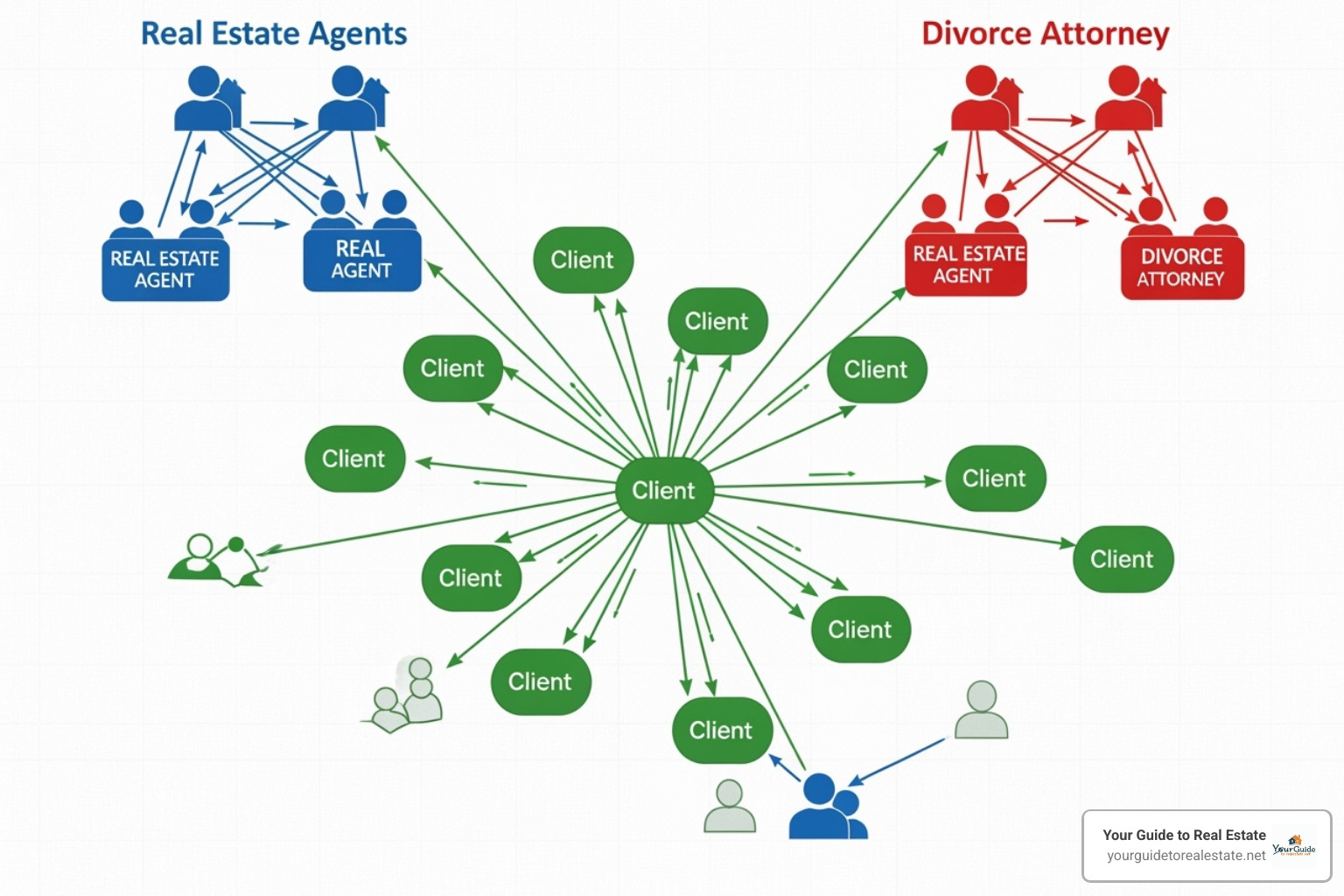
The most successful agents in this niche understand that divorce leads come from three main sources: professional relationships, public records, and thoughtful digital outreach. Each approach requires a different mindset, but they all share the common thread of sensitivity and a genuine desire to help.
Networking with Professionals
The professionals who work with divorcing couples every day are your best allies. They see the stress, understand the urgency, and know when someone needs a trustworthy real estate expert. Building these relationships takes time, but the payoff is enormous.
- Divorce attorneys are a golden connection. When you become their go-to real estate resource, you’re not just getting referrals—you’re becoming part of their support team. Offer to provide free market analyses for their clients or host joint workshops.
- Family law mediators often need a neutral real estate professional who can work with both parties fairly. Position yourself as that trusted intermediary.
- Financial advisors need current property values to guide their clients. By providing this information, you become an invaluable resource.
- Therapists and counselors often help clients think through practical next steps, including housing decisions.
The key is building reciprocal relationships. You’re not just asking for referrals; you’re offering genuine value. Attend local professional events, join relevant associations, and consistently show up as the expert who handles these sensitive situations with care.
Utilizing Public Records and Data Platforms for Real Estate Divorce Leads
While networking builds long-term relationships, public records give you immediate access to people who need help right now. Divorce filings are public information and often signal an urgent need for real estate assistance.
- Courthouse records are the most direct source. Every divorce filing that involves property creates a potential lead.
- Many counties now offer online public record databases, which saves you trips to the courthouse but can be time-consuming to search manually.
- Data service providers have revolutionized this process. These platforms can identify potential leads instantly and allow you to layer filters—for example, finding divorced homeowners who also have liens or own multiple properties.
Remember to cross-verify information regardless of your source. Public records can have errors, and you want to approach people with accurate, relevant information. Always understand your local regulations about contacting homeowners based on public record data.
Digital Marketing and Outreach
Your online presence should feel like a knowledgeable friend offering help during a difficult time. This isn’t about aggressive sales tactics; it’s about being there when someone searches for answers.
- Targeted social media ads on platforms like Facebook and Instagram can reach people who have shown interest in divorce-related topics. Your ads should offer helpful resources, not push for a sale.
- Content marketing is where you can shine. Write blog posts and create videos that address real concerns: “Understanding Property Division in Divorce” or “Selling Your Marital Home Quickly.” This positions you as an empathetic expert.
- SEO for divorce-related keywords helps you appear when people are actively searching for solutions like “divorce real estate agent” or “sell house fast divorce.”
- Empathetic direct mail campaigns can still be effective. A postcard offering a free guide to navigating real estate during divorce feels supportive, not pushy.
- Consider hosting informational workshops or webinars on topics like “Real Estate Options During Divorce.” These events let you share valuable information and build trust without sales pressure.
The goal is to be present and helpful when someone needs you most. Real estate divorce leads are people going through a challenging transition, and they need someone who truly understands that.
The Art of Engagement: Working with Divorcing Clients
Working with divorcing clients requires a delicate balance of real estate expertise and genuine human compassion. These individuals are navigating one of life’s most challenging transitions, often feeling overwhelmed. As real estate professionals, we become more than just agents – we become trusted guides through a storm.

The key difference when working with real estate divorce leads is understanding that every interaction carries emotional weight. What might seem like a simple question about listing price could trigger deep feelings about the end of a marriage or fears about financial security.
Building Trust and Maintaining Sensitivity
Trust is paramount, especially with clients who may feel their world is falling apart. Our job is to be the steady, reliable presence they desperately need.
- Active listening is your superpower. Truly hear what they’re saying – not just the words, but the emotions behind them.
- Patience is a necessity. Decisions that take a traditional seller hours might take divorcing clients days or weeks. Rushing them will only damage the relationship.
- The hard sell approach is harmful. These individuals are already under pressure; we need to be supportive and focused on their wellbeing.
- Demonstrating genuine care means remembering personal details and checking in on their emotional state, even if it’s not directly related to the transaction.
- Setting clear expectations helps reduce anxiety. Explain each step, provide realistic timelines, and be honest about potential challenges.
- Maintaining confidentiality is about protecting people during their most vulnerable moments. Be discreet and ensure your team understands the sensitive nature of these clients.
Navigating Legal and Financial Complexities
The legal side of real estate divorce leads can be complex. While we’re not attorneys, we need to understand the system and know when to defer to legal professionals.
- Understanding property division laws in your area is crucial. Whether your state follows community property or equitable distribution rules affects how assets are handled.
- Court orders and timelines often drive the urgency. A judge might order the house sold within a specific timeframe, which we must help our clients meet. Divorce proceedings can take anywhere from six weeks to six months or longer, and property division is a major factor.
- Our fiduciary duty becomes especially complex. We have a fiduciary duty to act in our clients’ best interests. When representing both spouses, this means maintaining strict neutrality and focusing on the best outcome for the property transaction.
- Working with legal counsel requires diplomacy. Building relationships with attorneys and providing detailed market data helps create a collaborative environment.
- Handling disagreements over price and terms is a common challenge. Our role is to provide objective market data and help them find a middle ground that serves their shared goal of moving forward.
Essential Communication and Privacy Tips
Communication with divorcing clients requires extra care and attention to detail.
- Communicate with both parties equally. Never play favorites. If one spouse calls, follow up with an email to both to ensure transparency.
- Use a central communication platform like email to keep everyone informed and avoid separate, conflicting conversations.
- Document everything. Keep detailed records of conversations and decisions to prevent conflicts and provide clarity.
- Respect privacy with options like off-market listings. Many clients don’t want their personal situation made public. A pocket listing or other discreet marketing approaches can protect their privacy while still achieving a successful sale.
The art of working with real estate divorce leads comes down to treating people with dignity. When we do this well, we don’t just complete transactions – we help people rebuild their lives.
Building Your Niche: Specializing in Divorce Real Estate
When over 3 million active real estate licensees compete for clients, finding your corner of the market is essential. Specializing in real estate divorce leads offers that differentiation, but it’s more than a business strategy.
When you become known as the agent who understands the complexities of divorce real estate, you build a reputation as a caring, trusted advisor. This specialization transforms you from just another agent into an expert who helps people through one of life’s most challenging transitions.
The beauty of this niche lies in its stability. While traditional real estate markets fluctuate, divorce remains a constant. This creates a steady demand for your specialized services, making your business more resilient to market downturns.
How to Effectively Market Yourself as a Specialist
Marketing yourself as a divorce real estate specialist requires a balance of professionalism and empathy. Your approach should always emphasize how you help rather than what you gain.
- Create a specialized brand by developing materials that speak directly to divorcing couples’ needs. Your website and marketing should highlight your expertise in this sensitive area.
- Develop sensitive marketing materials. Avoid language that seems opportunistic. Instead of “Capitalize on your divorce,” try “Find peace of mind during your transition.” Focus on providing support and reducing stress.
- Testimonials from attorneys and past clients are your most powerful marketing tools. These endorsements carry incredible weight and reassure new clients that you can handle their situation with care.
- Earning relevant certifications like the Certified Divorce Real Estate Expert (CDRE) designation demonstrates your commitment and sets you apart from general practitioners.
- Create a dedicated website landing page for your divorce real estate services. This page should explain your expertise, answer common questions, and provide helpful resources.
The Long-Term Benefits of Success
The rewards of specializing in real estate divorce leads extend far beyond individual transactions and compound over time.
- A consistent referral stream from professionals becomes one of your most valuable assets. Attorneys, mediators, and financial advisors will send clients your way when they know you can be trusted.
- The potential for multiple transactions from one lead significantly multiplies your earning potential. The “sell one, buy two” scenario is common.
- Your improved professional reputation for handling complex, emotional situations opens doors to other challenging transactions and referral opportunities.
- Perhaps most importantly, you’ll experience deep personal satisfaction from helping others during their most vulnerable moments. This sense of purpose transforms your work from just selling houses to truly serving your community.
This specialization becomes a cornerstone of a resilient real estate business—one built on genuine expertise and authentic care for clients’ needs.
Frequently Asked Questions about Divorce Leads
What is the biggest challenge when working with divorce leads?
The biggest challenge is managing the clients’ high emotional state. Divorce is a deeply personal and stressful journey. This means we often deal with disagreements between two parties who may be feeling angry or exhausted. To steer this, we need exceptional patience, neutrality, and communication skills to keep the focus on the best outcome for selling their home.
How quickly do homes in divorce situations typically need to sell?
Homes in divorce situations often need to sell faster than traditional listings. This urgency can come from a court order setting a deadline or simply from the couple’s desire to divide their assets and move forward. Because of this, divorcing couples are often highly motivated sellers who may prioritize a quick, fair sale to finalize the process. Our role at Your Guide to Real Estate is to make this as swift and smooth as possible.
Is it ethical to market directly to people going through a divorce?
Yes, it is ethical as long as it’s done with empathy, respect, and a true desire to help. The key is in the approach. We would never use language that sounds predatory or tries to take advantage of their situation. Instead, we position ourselves as a supportive, knowledgeable resource. Our marketing focuses on the solutions we offer: stress-free guidance, expert navigation, and compassionate support. We aim to ease their burden by providing a valuable service to people who genuinely need it.
Conclusion: Turning Sensitivity into a Sustainable Business
Working with real estate divorce leads is truly unique. It’s so much more than just a business transaction. It’s a profound opportunity to make a real difference in people’s lives when they need it most. This niche asks us to be two things at once: a skilled real estate expert and a deeply compassionate guide.
We accept this important dual role. We’re here to help individuals steer one of life’s toughest transitions with clear guidance and genuine care.
By choosing to specialize in this sensitive niche, you don’t just stand out in a crowded market. You build a strong, resilient real estate business that’s built on serving others. Think of real estate divorce leads as a cornerstone. They bring consistent referrals from grateful clients and professionals, the exciting potential for multiple transactions from a single situation (sell one, buy two!), and the deep personal satisfaction that comes from truly helping people rebuild their futures.
At Your Guide to Real Estate, we believe in providing clear frameworks and stress-free guidance. We want you to succeed in every market, especially in complex areas like divorce real estate. When handled with the right care and expertise, this niche can offer incredible rewards, both professionally and personally.
Ready to deepen your expertise and open up your full potential as a top agent? We invite you to learn more about becoming a top agent.