

Why Finding FSBO Properties Can Be Your Best Real Estate Move
Learning how to find fsbos can save you thousands on your next home purchase. For Sale By Owner (FSBO) properties are sold directly by owners without a real estate agent, representing a hidden opportunity in today’s competitive market.
Quick Answer: Where to Find FSBO Listings
- Online FSBO Platforms: ForSaleByOwner.com, FSBO.com, Fizber, Homecoin
- Major Real Estate Sites: Zillow (FSBO section), Realtor.com, Trulia
- Social Media: Facebook Marketplace, Craigslist, Nextdoor
- On the Ground: Drive neighborhoods looking for “For Sale By Owner” yard signs
- Traditional Media: Local newspaper classifieds and community bulletin boards
- Networking: Connect with title companies, mortgage brokers, and local contractors
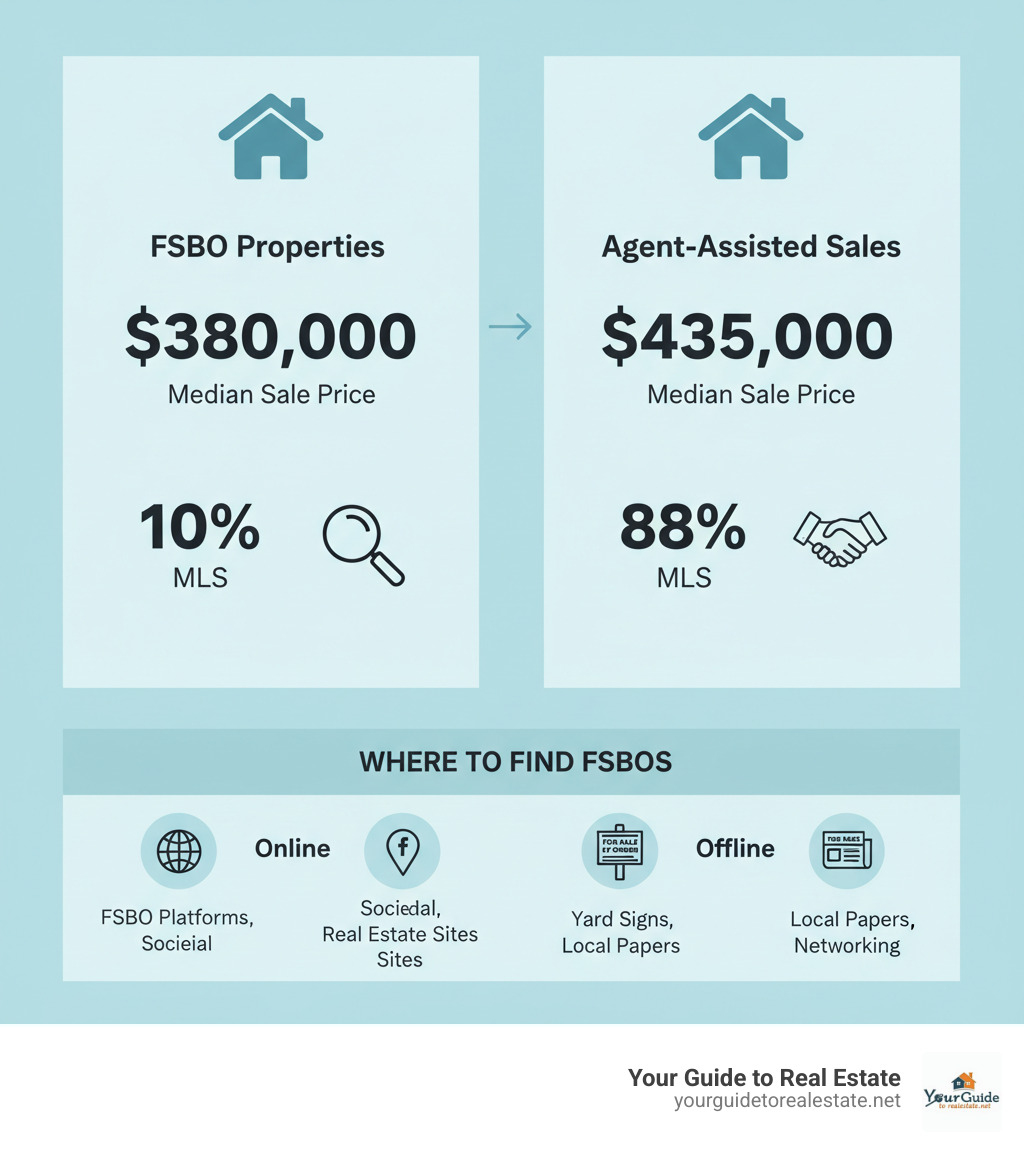
FSBO homes recently sold for a median price of $380,000, compared to $435,000 for agent-assisted sales—a potential savings of $55,000. The catch is that only 10% of FSBO sellers use the Multiple Listing Service (MLS), so these properties often fly under the radar.
The FSBO market accounts for 7-13% of all home sales, meaning 280,000-520,000 properties annually that most buyers never see. These sellers aim to save on commission and are often more flexible on price and terms.
This guide will show you how to tap into this hidden market. You’ll learn digital and on-the-ground strategies to find these properties, approach sellers, and protect yourself during the transaction.
Why Target FSBO Properties? The Pros and Cons
When you’re learning how to find FSBOs, you’re exploring a parallel real estate market that most buyers miss. It requires more effort, but it offers direct access and often better prices.

The main appeal of FSBOs is the direct communication with the seller. This creates negotiation flexibility and the potential for a better price. FSBO homes sold for a median of $380,000 compared to $435,000 for agent-assisted sales. But before you count your savings, it’s crucial to understand both the advantages and the risks.
The Advantages of Buying FSBO
- Cost Savings: Sellers who skip the typical 5-6% agent commission have more room to negotiate on price, often passing those savings to the buyer.
- Direct Seller Negotiation: You can ask the seller directly about their moving timeline, priorities, and the home’s history. This valuable intelligence helps you craft a smarter offer and gives you more negotiating power.
- Less Competition: Since only 10% of FSBO sellers list on the MLS (compared to 88% of agent-assisted homes), you’re exploring a market segment most buyers don’t see.
- More Transaction Control: You and the seller set the pace for inspections and walkthroughs, leading to faster closing times and fewer scheduling headaches.
- Creative Financing Options: FSBO sellers are often more open to arrangements like seller financing or lease-to-own options, which are more common in these transactions according to the Highlights From the Profile of Home Buyers and Sellers.
The Risks and How to Mitigate Them
FSBO transactions carry real risks you must manage.
- Inexperienced Sellers: Many sellers are navigating their first sale without professional guidance, which can cause delays or legal issues.
- Overpriced Homes: Sellers often have an emotional attachment that leads them to overprice their property without a Competitive Market Analysis Real Estate from an agent.
- Lack of Legal Disclosures: A major risk is that sellers may not know their legal obligation to disclose issues like past water damage or foundation problems.
- Emotional Negotiations: Direct negotiations can become personal. A low offer might be taken as an insult, derailing the deal.
- Legal Paperwork Errors: Purchase agreements and disclosure forms are complex. A single error can delay closing or create legal liability.
To capture the advantages while avoiding these pitfalls, you must be proactive. Hire a real estate attorney to review contracts and ensure proper disclosures. Perform your own market analysis to determine fair value, and always get a professional home inspection. Finally, secure financing pre-approval before making an offer and educate yourself on the process with resources like our guide on How to Buy a House Without a Realtor. With preparation, you can save money and avoid common traps.
Your Ultimate Guide on How to Find FSBOs
Finding how to find fsbos means looking beyond traditional channels. Since most FSBOs aren’t on the MLS, you need a diverse approach combining digital sleuthing with old-fashioned legwork. Persistence is key, as these hidden gems won’t always jump out at you.
Online Methods: Digital Detective Work
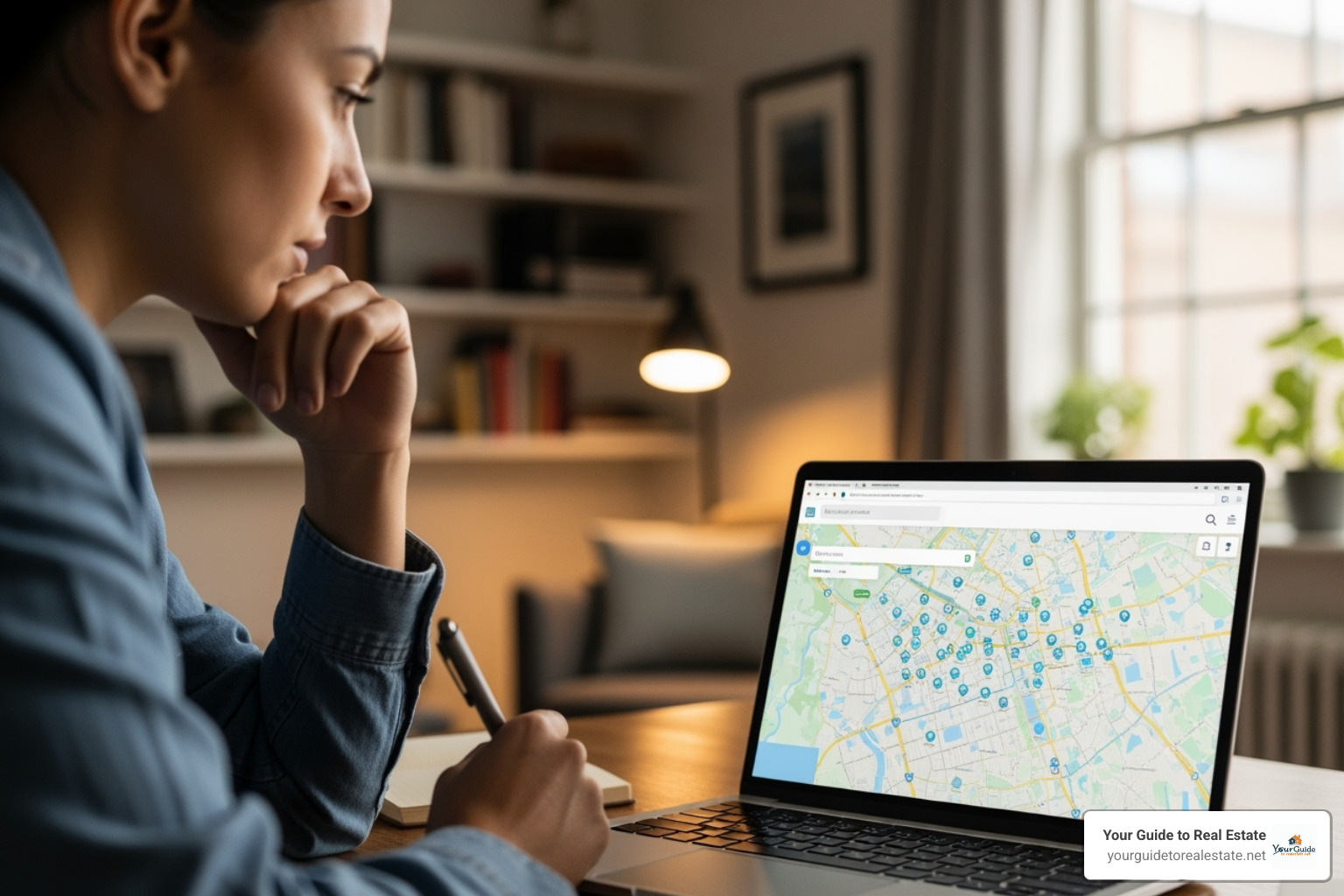
The internet is a powerful tool for finding FSBOs if you know where to look.
- Major Property Search Websites: Sites like Zillow, Realtor.com, and Trulia now include FSBO listings. Zillow makes it especially easy to filter your search for “For Sale By Owner” properties, separating them from agent-represented homes.
- Dedicated FSBO Platforms: Websites like ForSaleByOwner.com, FSBO.com, Fizber, and Homecoin are hubs where sellers who want to avoid agents congregate. These platforms offer searchable databases of FSBO properties.
- Social Media Marketplaces: Many sellers use free, local platforms first. Check Facebook Marketplace, Craigslist, and the neighborhood-focused app Nextdoor for listings that may not appear elsewhere. Always exercise due diligence on these sites.
- Public County Records: This advanced strategy involves searching public records to identify potential off-market sellers, which works best when you’re targeting specific properties or areas.
For a more streamlined approach, specialized services compile FSBO leads from various sources. Our guide on Real Estate FSBO Leads provides more details.
Offline Methods: Boots on the Ground
Sometimes the best way to find fsbos is to get away from the screen.
- Driving for Dollars: This classic strategy involves driving through target neighborhoods looking for “For Sale By Owner” yard signs. Handwritten signs often indicate a true FSBO seller.
- Local Classifieds and Bulletin Boards: Don’t overlook local newspapers, community newsletters, and physical bulletin boards in places like grocery stores or cafes, especially in smaller towns.
- Networking with Professionals: Build connections with title companies, mortgage brokers, home inspectors, and contractors. They often encounter homeowners who are planning to sell FSBO.
- Attending Open Houses: Some FSBO sellers host their own open houses, giving you a chance to meet them, gauge their motivation, and build rapport.
How to find FSBOs for Unique Properties
Finding specialized properties requires a targeted approach.
- Commercial Real Estate: For commercial FSBOs, LoopNet is the leading platform in the U.S. for everything from office buildings to retail spaces. Learn more in our guide to Commercial Real Estate.
- Land and Ranches: Specialized marketplaces like the LandFlip network (which includes FarmFlip and RanchFlip) are ideal for finding farms, vacant lots, and ranches. If you need financing, understanding Land Loan Interest Rates is crucial.
By using a mix of online and offline strategies, you significantly increase your chances of finding the perfect FSBO property.
You’ve Found a FSBO: The 4-Step Purchase Process
Finding a FSBO property is just the beginning. Without an agent’s structure, you must guide the transaction to a successful close. This 4-step framework will help you steer the process with confidence, whether you’re a seasoned buyer or reviewing First Time Homebuyer Tips.
Step 1: Engaging the Seller & Initial Assessment
Your first conversation sets the tone. Start with a friendly, professional introduction, respecting their decision to sell independently. Focus on building rapport before negotiating.
Ask thoughtful questions to understand the seller’s motivation (e.g., job relocation, downsizing) and the property’s history (e.g., improvements, major system replacements). Questions like, “What do you love most about this home?” can reveal valuable information. Many of the Questions to Ask Realtor can be adapted for direct conversations with sellers.
Step 2: Making an Offer and Securing Financing
Before making an offer, determine the property’s value by performing a market analysis. Research recently sold comparable homes in the area to establish a data-backed offer price. Our guide on How to Do a Competitive Market Analysis Real Estate explains this process.
Next, draft a purchase agreement. This is a legally binding document where errors are common. We strongly recommend hiring a real estate attorney to draft or review it. While templates from sites like US Legal Forms are available, they don’t replace professional legal advice. Your agreement must include the price, closing date, and critical contingencies for appraisal, inspection, financing, and clear title. An Appraisal Contingency is especially important, as it protects you if the home appraises for less than your offer.
Secure financing pre-approval before making an offer to show you’re a serious buyer. Explore your Mortgage Options Explained to find the right fit. Some FSBO sellers may also be open to seller financing, but ensure your attorney reviews all terms.
Step 3: Conducting Thorough Due Diligence
With no agent to catch red flags, the responsibility for due diligence is yours.
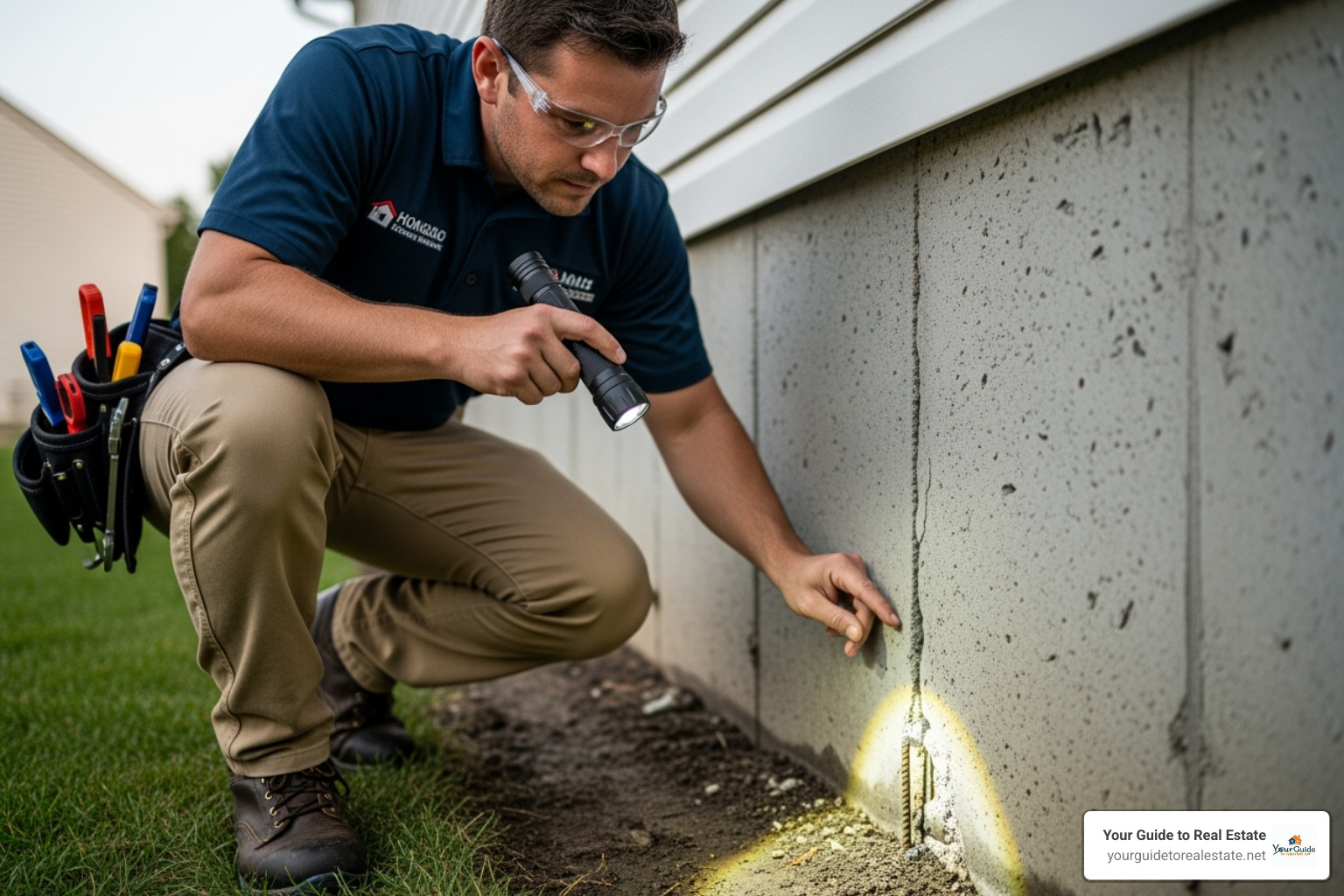
- Professional Home Inspection: This is non-negotiable. A certified inspector will examine the property’s structure, roof, plumbing, and electrical systems. The Home Inspection Report provides negotiating leverage for any issues found.
- Property Appraisal: Get an independent appraisal to get an objective assessment of market value. The Appraised Value of a Property Is often required by lenders and protects you from overpaying.
- Title Search: A title company will search public records for liens, disputes, or other claims against the property to ensure you receive clear ownership.
- Review Disclosures: FSBO sellers must still disclose known defects. Review all disclosures with your attorney to ensure they are complete and properly documented.
Step 4: Navigating the Closing Process
Closing is where ownership officially transfers. Your real estate attorney is your most valuable player here, preparing and reviewing documents, coordinating with the title company, and representing your interests.
The title company handles the title search, issues title insurance, and often acts as a neutral third-party escrow agent. Understanding Escrow Process is key, as the agent holds all funds until every condition is met.
Before closing day, conduct a final walkthrough to verify the property’s condition and ensure any negotiated repairs are complete. At closing, you and your attorney will review the settlement statement (HUD-1 or Closing Disclosure), which itemizes all costs. After signing all documents and transferring funds, the deed is recorded, and the keys are yours.
Frequently Asked Questions about Finding FSBOs
You’ve learned how to find fsbos and steer the purchase process, but some questions may remain. Here are answers to common concerns.
How do I ensure an FSBO property is priced fairly?
First, perform a Comparative Market Analysis (CMA) by researching recently sold, similar homes in the area on sites like Zillow or public records. This gives you a data-based starting point. However, for a definitive valuation, always include an independent appraisal report as a contingency in your offer. An appraiser provides an unbiased, expert opinion of value, which is often required by lenders and protects you from overpaying.
Can I use a buyer’s agent for an FSBO purchase?
Yes, and it’s often a good idea. A good buyer’s agent provides valuable expertise in assessing price, negotiating, and managing paperwork. The buyer’s agent commission is typically paid by the seller. While an FSBO seller isn’t using a listing agent, many will agree to pay a buyer’s agent commission (usually 2-3%) when it’s negotiated into the offer. This brings them a qualified buyer and helps ensure a smoother transaction.
What are the biggest legal risks with FSBOs?
The two biggest risks are incomplete property disclosures and improperly drafted contracts. FSBO sellers may not know their legal disclosure obligations regarding issues like past flooding or foundation work. A poorly written contract can also lead to costly legal disputes.
The solution is non-negotiable: hire a real estate attorney. An attorney will review all documents, ensure disclosures are complete, protect your legal interests, and verify everything is done correctly. This investment is your safety net for a successful FSBO purchase.
Conclusion: Opening up Your Next Real Estate Opportunity
You now have a complete roadmap for how to find fsbos and turn these hidden opportunities into your next real estate deal. From scouring platforms like ForSaleByOwner.com to driving neighborhoods for yard signs, you’ve learned that finding these properties takes persistence, but the rewards are worth the effort.
The value of FSBOs lies not just in potential savings but also in the direct connection with sellers, which can lead to flexible terms and creative deals that are rare in traditional sales.
However, finding the property is only half the battle. Success depends on protecting yourself. This means hiring a real estate attorney, getting a professional home inspection, and conducting a thorough market analysis to ensure a fair price. These steps are your safety net in a transaction without the built-in protections of an agent-led sale.
With 280,000 to 520,000 FSBO properties hitting the market annually off the MLS, you have a significant competitive advantage. While other buyers compete for the same listings, you can build relationships with motivated sellers.
At Your Guide to Real Estate, we’re here to support you on your property journey. Our proven framework and stress-free guidance can help you steer complex real estate situations with confidence. Explore our guides to master your next real estate investment and see how the right knowledge can lead to success.
Start your FSBO search today. Your next great real estate opportunity might be waiting behind a simple “For Sale By Owner” sign.