
Why Finding the Right Buyer’s Agent Makes All the Difference
Learning how to find a good buyers agent can save you thousands of dollars and countless hours of stress in today’s competitive real estate market. With more than two million licensed real estate agents in the United States, choosing the right advocate for your home purchase requires knowing what to look for and where to start your search.
Quick Answer: How to Find a Good Buyer’s Agent
- Get referrals from friends, family, and your lender
- Search online using agent-finding platforms and check agent reviews
- Interview at least 3-4 agents to compare experience and communication style
- Verify credentials including licensing, local market expertise, and transaction volume
- Ask key questions about their negotiation strategies and professional network
- Review the buyer agreement carefully before signing any contracts
A buyer’s agent is a licensed real estate professional who represents your interests exclusively throughout the home buying process. Unlike listing agents who work for sellers, buyer’s agents have a fiduciary duty to help you find the right property at the best possible price.
Nearly nine out of 10 buyers work with a professional real estate agent during their home purchase. The right agent brings local market knowledge, negotiation expertise, and access to off-market properties that you might never find on public websites.
But here’s the challenge: as one frustrated buyer put it in a recent forum discussion, “Other than word of mouth referrals from friends, how do you identify top agents out of the masses and objectively determine which agent is going to fit your needs the best?”
That’s exactly what this guide will help you solve.
Understanding the Agent Landscape
Before searching for a buyer’s agent, it helps to understand the different types of real estate professionals. You’ve probably heard “agent,” “Realtor®,” and “broker” used interchangeably, but they have distinct meanings.
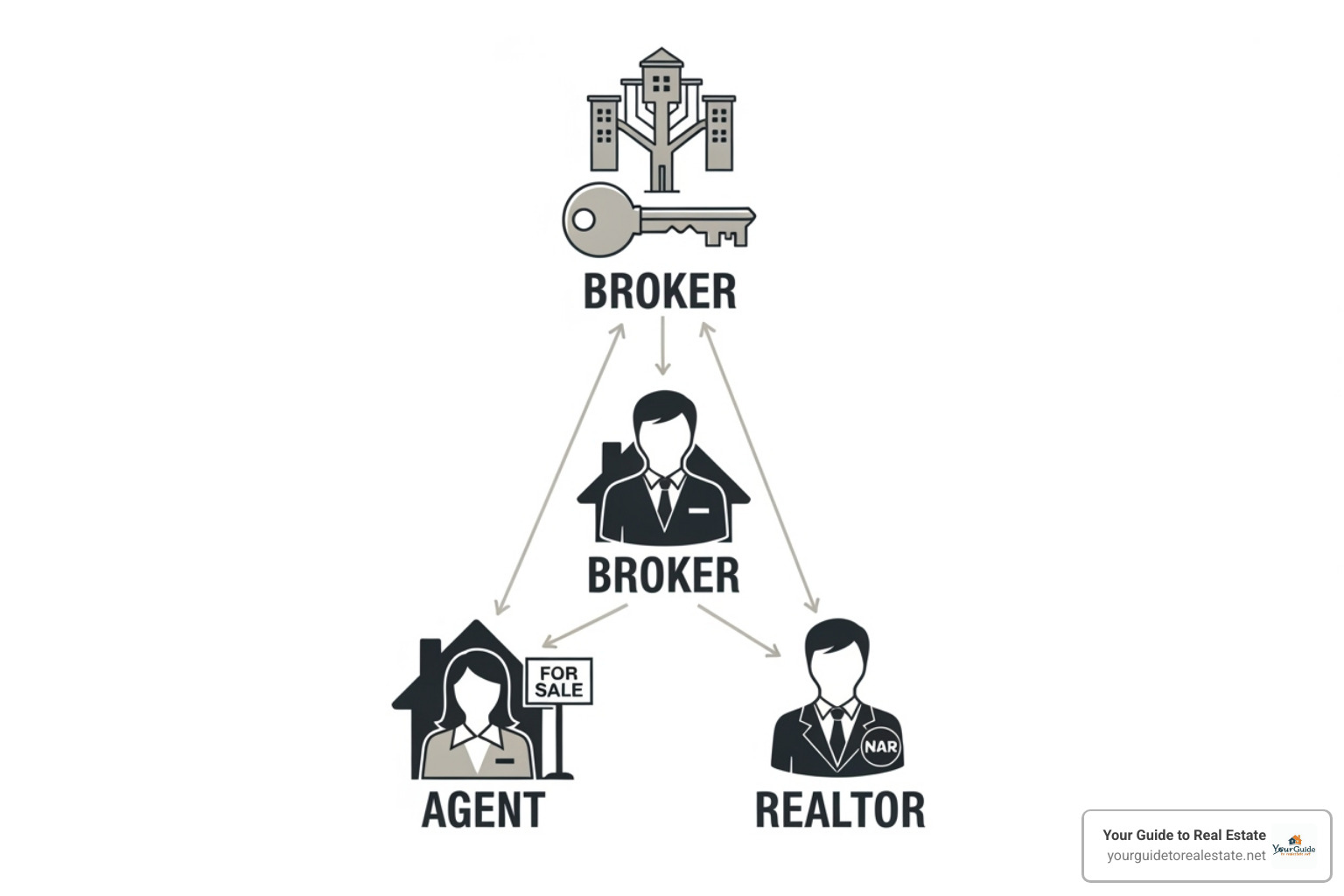
A real estate agent has the basic license to help buy and sell homes. They’ve passed their state exam and can legally facilitate transactions, but must work under a licensed broker’s supervision.
A Realtor® is an agent who’s joined the National Association of Realtors. The “®” symbol means they’ve agreed to follow a strict code of ethics beyond basic legal requirements.
A real estate broker has advanced training and passed a higher-level exam. Brokers can work independently or hire agents to work for them.
| Feature | Real Estate Agent | Realtor® | Real Estate Broker |
|---|---|---|---|
| Licensing | Basic state-issued license | Basic state-issued license | Advanced state-issued license |
| Affiliation | Must work under a broker | Member of National Association of Realtors (NAR) | Can work independently or manage other agents |
| Code of Ethics | General legal/ethical duties | Adheres to NAR’s strict Code of Ethics | Adheres to NAR’s Code of Ethics (if a Realtor®) |
| Education | Entry-level real estate courses | Entry-level real estate courses | Advanced real estate education beyond agent level |
| Authority | Can facilitate transactions under a broker’s supervision | Can facilitate transactions under a broker’s supervision | Can operate their own brokerage and supervise agents |
What really matters for your home search: a buyer’s agent works exclusively for you, not the seller. This differs from a listing agent, who represents the seller. Your buyer’s agent has a fiduciary duty to you—a legal obligation to put your interests first.
Some agents become exclusive buyer’s agents. These professionals never represent sellers, meaning they’ll never have divided loyalties.
The agent you choose should have strong Real Estate Agent Skills that match your specific needs.
How a Buyer’s Agent Gets Paid
Good news: in most cases, you won’t pay your buyer’s agent directly.
Traditionally, the seller pays the commission for both agents. This total, usually 3% to 6% of the sale price, is split between the two brokerages at closing.
These fees are negotiable, not set by law. The exact percentage varies based on the market, agent experience, and services provided.
Recent industry changes mean you’ll likely sign a buyer representation agreement detailing your agent’s compensation. Some agents offer limited service agreements, letting you test the relationship before committing.
The traditional system means your agent only gets paid when you successfully close on a home, creating a powerful incentive to help you find the right property.
If you’re curious about real estate career finances, check out: How Much Do Real Estate Agents Really Make? With Real Numbers.
Potential Conflicts of Interest to Avoid
While your buyer’s agent should be your advocate, watch for one major red flag: dual agency.
Dual agency happens when the same agent (or two agents from the same brokerage) represents both you and the seller. This creates a serious conflict of interest.
How can one person fairly negotiate for the lowest price for you while also trying to get the highest price for the seller? Their loyalty is divided.
Dual agency is restricted or illegal in some states and tightly regulated in others. Even where permitted, it’s best avoided.
We strongly recommend avoiding dual agency situations. Your agent should be firmly in your corner, representing only you.
If an agent suggests representing both sides, consider it a warning sign. You deserve exclusive representation for what’s likely your largest purchase.
The Step-by-Step Process of How to Find a Good Buyer’s Agent
Finding the right buyer’s agent isn’t something to rush. With over two million licensed real estate agents in the United States, the choice can feel overwhelming.

The good news? How to find a good buyers agent is easier when you know what to look for. The right agent brings invaluable local expertise to your search. They understand neighborhood nuances and often know about properties before they appear publicly.
Think of your buyer’s agent as the captain of your home-buying team, connecting you with trusted lenders, inspectors, and attorneys. Getting familiar with the Loan Process for Buying a House will help you understand how these pieces fit together.
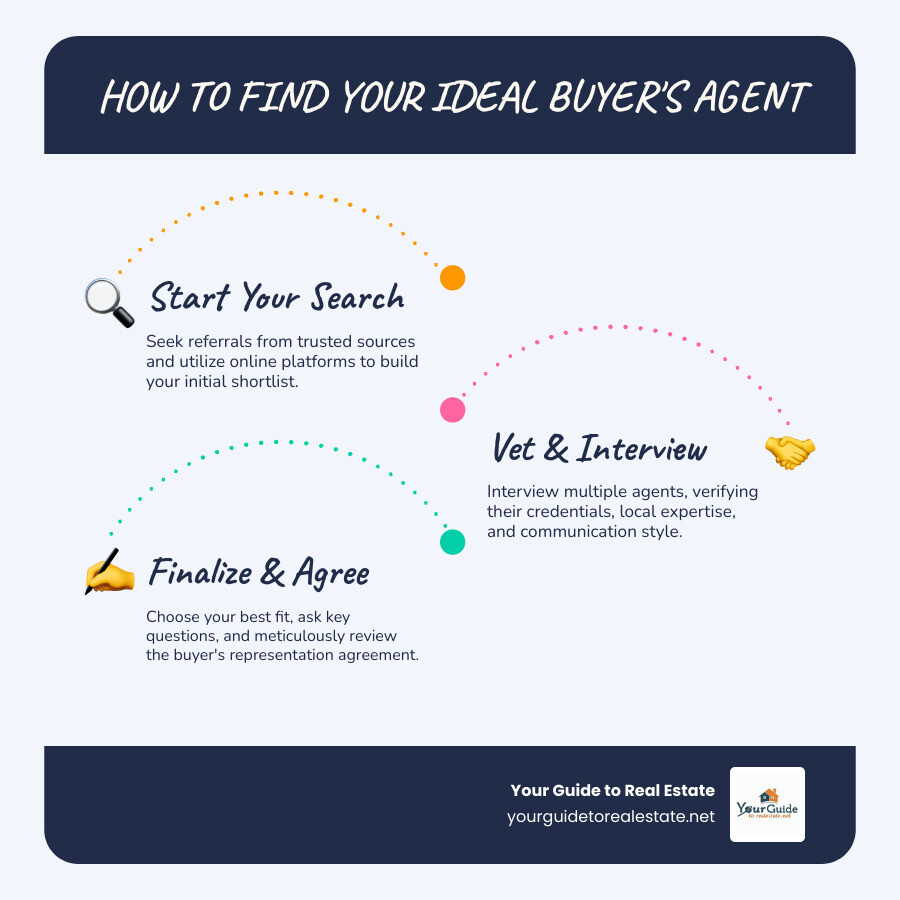
Where to Start Your Search: How to Find a Good Buyer’s Agent
Let’s talk about where to begin.
Start with your inner circle. Ask friends, family, and colleagues who’ve recently bought homes. You’ll learn how their agent handled stress, communicated during negotiations, and whether they were responsive.
Your lender can be your secret weapon. Your loan officer works with agents daily and sees who closes deals smoothly versus who creates headaches.
The internet is your research friend. Search for “buyer’s agent” plus your city name. Look for agents with professional websites and active social media presence.
Open houses are like speed dating for agents. Visit open houses in neighborhoods you’re considering. You can see agents in action and ask casual questions without pressure.
Professional associations matter. Agents in local Realtor® associations often maintain higher professional standards, including continuing education and strict ethical codes.
Online reviews tell stories. Don’t just look at star ratings. Read comments for specific examples of how an agent helped clients through challenges.
Vetting Your Shortlist: What to Look For
Once you have several potential agents, it’s time to separate the good from the great.
Local expertise isn’t negotiable. You want an agent who truly knows your target neighborhoods—school districts, upcoming developments, and even which streets get the best morning sun.
Experience counts, especially in tricky markets. Look for agents with at least several years of experience who’ve seen market ups and downs.
Transaction volume tells you about activity level. An agent handling around 20 sales per year often hits a sweet spot: busy enough to know the market but not overwhelmed.
Read between the lines of reviews. Look for detailed comments about communication, responsiveness, and problem-solving. Do past clients mention specific ways the agent helped?
Communication style can make or break your experience. Figure out what works for you—phone calls, texts, or emails—and find an agent who matches.
Availability matters more than you think. Ask about working hours and how they handle urgent situations. Clarify if you’ll work directly with them or an assistant.
Taking time for thorough Real Estate Agent Selection now prevents headaches later. This person will be your advocate through one of life’s biggest financial decisions.
The Interview: How to Find a Good Buyer’s Agent Who Fits Your Needs
You’ve done your research, gathered referrals, and narrowed down your list. Now comes the most critical step in learning how to find a good buyers agent: the interview. Think of this as a job interview, because you’re hiring someone to help with one of the biggest financial decisions of your life.

Here’s the thing: interviewing multiple agents isn’t just recommended—it’s essential. Plan to speak with at least three or four candidates. This gives you a real sense of what’s out there and helps you spot the standout professionals from those who are just going through the motions.
But here’s what many people don’t realize: this process isn’t just about checking off qualifications on paper. You’re assessing personality fit and figuring out if you can build genuine rapport and trust with this person. You’ll be sharing your financial details, your hopes and fears about homeownership, and depending on their judgment during some pretty stressful moments.
As one experienced buyer put it perfectly: “Choose an agent you like and communicate well with.” Your gut feeling matters here. If something feels off during the interview, pay attention to that instinct. For more comprehensive guidance on this process, our How to Choose the Right Real Estate Agent: A Complete Buyer’s Guide covers additional factors to consider.
Key Questions to Ask Potential Agents
Walking into these interviews with a prepared list of questions is crucial. The way agents answer—and what they choose to emphasize—will tell you everything you need to know about their expertise and whether they’re right for your situation.
Start with the big picture: “How do you help buyers in a competitive market?” This question cuts straight to the heart of what you need most. Listen for specific strategies they use to get offers accepted when there are multiple bidders. Do they suggest creative offer terms, pre-offer inspections, or escalation clauses? Their answer reveals their negotiation skills and market savvy.
Next, get practical about day-to-day working relationships: “What is your communication style and availability?” Some agents prefer phone calls, others live on text messages. Some respond within an hour, others might take a full day. Neither approach is wrong, but you need to know what you’re signing up for. Ask about their “off-hours” and how they handle urgent requests when a perfect house hits the market on a Sunday evening.
Then dig into their local expertise: “How familiar are you with this neighborhood?” Don’t settle for general answers here. Ask about specific streets, school districts, or upcoming developments. A truly local expert should know which areas have the best resale value, where new construction is planned, or even quirky details like which streets flood during heavy rain.
“Can you provide references from recent clients?” might feel awkward to ask, but it’s perfectly reasonable. Online reviews are helpful, but speaking directly with someone who worked with the agent six months ago gives you unfiltered insights into their strengths and any potential challenges.
When it comes to the money talk, ask “How do you handle negotiations?” This is where your agent will either save or cost you thousands of dollars. Ask about specific success stories and how they’ve steerd tricky situations. What’s their strategy when sellers are being unreasonable about repairs? How do they handle bidding wars?
Don’t forget to explore “What does your professional network look like?” A well-connected agent can recommend trusted lenders, inspectors, contractors, and attorneys. This network often makes the difference between a smooth closing and a stressful nightmare.
Finally, clarify the logistics: “Will I be working directly with you, or with an assistant or team member?” There’s nothing wrong with team structures, but you should know upfront whether you’re getting the star player or spending most of your time with the bench.
These conversations will give you confidence in your choice and set you up for success with the Easy Steps to Buying Your First Home.
Understanding the Buyer’s Agent Agreement
Once you’ve found your perfect match, they’ll ask you to sign a buyer’s agent agreement. This legal contract formalizes your working relationship, but don’t just sign it without reading every word. This document protects both of you and sets clear expectations for the journey ahead.
Most agents will offer an exclusive buyer’s agency agreement. This means you’re committing to work only with them for a specific time period and geographic area. Even if you stumble across your dream home on your own, this agent gets the commission if you buy it. While this might sound restrictive, it actually works in your favor. When agents know their efforts are protected, they’re more likely to invest serious time and resources into your search.
Some agents offer non-exclusive agreements, which give you more flexibility to work with multiple agents simultaneously. However, this arrangement often means agents are less motivated to go above and beyond, since they’re not guaranteed compensation for their work.
You might also encounter limited services or touring agreements for initial property visits. These short-term contracts let you “test drive” an agent before committing to full representation.
Before you sign anything, pay close attention to the contract length. Most agreements run three to six months, though some extend to a full year. Make sure the timeline feels reasonable for your situation.
Cancellation clauses are equally important. Look for an “opt-out” provision that lets you end the relationship if you’re unhappy with the service. Avoid agents who charge cancellation fees—confident professionals don’t need to trap unhappy clients.
The agreement should also clearly explain compensation details, including what happens if the seller doesn’t offer a buyer’s agent commission. With recent industry changes, these terms are more important than ever.
Take your time reviewing every section, ask questions about anything that’s unclear, and don’t hesitate to negotiate terms that don’t work for you. This is your advocate for one of life’s biggest purchases—make sure you’re both on the same page from day one.
Frequently Asked Questions about Finding a Buyer’s Agent
Even after understanding the basics of how to find a good buyers agent, you might find yourself with lingering questions. These are the most common concerns we hear from homebuyers, and we want to make sure you feel completely confident moving forward.
Can I work with multiple buyer’s agents at once?
This question comes up a lot, and while it might seem like a good way to hedge your bets, it’s actually not the best strategy for most buyers.
If you’ve signed an exclusive buyer’s agency agreement, you’re legally committed to working with that one agent for the specified time period. Trying to work with multiple agents could put you in breach of contract and potentially on the hook for paying two commissions if you end up buying a home.
If you haven’t signed an exclusive agreement, you technically could work with several agents. But here’s the thing – it rarely works in your favor. Think about it from the agent’s perspective: they’re investing their time, energy, and resources into helping you find a home. If they know you’re also working with their competitors, they’re naturally going to be less motivated to go the extra mile for you.
You might miss out on off-market opportunities because agents won’t want to share their best leads with someone who might give the sale to another agent. Plus, coordinating showings becomes a logistical nightmare when multiple agents are involved.
Our advice? Take the time to find one agent you truly trust, then commit to working with them exclusively. If you’re nervous about making that commitment, start with a limited touring agreement to test the waters before signing a full exclusive contract.
How do I switch buyer’s agents if I’m not happy?
Sometimes, despite your best efforts in choosing an agent, things just don’t click. Maybe they’re not communicating well, or perhaps they don’t seem to understand what you’re looking for. Don’t panic – this situation is more common than you might think, and there are professional ways to handle it.
Start by reviewing your buyer’s agent agreement carefully. Look for any clauses about termination, cancellation, or performance standards. Many agreements include “opt-out” provisions or trial periods that make switching easier.
Before you jump ship entirely, try having an honest conversation with your agent. Be specific about what’s not working. Maybe they didn’t realize you preferred text over phone calls, or perhaps they misunderstood your must-haves versus nice-to-haves. A good agent will appreciate the feedback and work to improve the relationship.
If direct communication doesn’t solve the problem, request a mutual release from your contract. Most reasonable agents will agree to this if the relationship clearly isn’t working. After all, an unhappy client isn’t good for anyone.
Should your agent refuse to release you, you can escalate to their managing broker. Brokers want to maintain their reputation and will often step in to mediate or authorize the release.
Just remember that if your current agent showed you specific properties, they might still be entitled to commission if you purchase one of those homes within a certain timeframe after switching agents. This protects the work they’ve already put in on your behalf.
Do I really need a buyer’s agent if I can find homes online myself?
We get it – with property search websites at your fingertips, it might seem like you can handle the home search on your own. But finding homes online is just the tip of the iceberg when it comes to buying real estate.
Here’s what you’re missing when you go it alone: access to off-market properties that never make it to public websites. Many homes are sold through agent networks before they’re ever listed publicly. Your buyer’s agent taps into this hidden market through their professional relationships.
Then there’s the deep local knowledge that no website can provide. An online listing might tell you a house has three bedrooms and two baths, but it won’t tell you about the traffic patterns during rush hour, the best coffee shop around the corner, or that the neighborhood is about to get a new shopping center.
Expert negotiation is where agents truly earn their keep. They know how to structure offers that get accepted, especially in competitive markets. They understand local pricing trends, can spot overpriced listings, and know which repair requests are reasonable versus which ones might kill a deal.
Don’t forget that when you’re dealing directly with a listing agent, they represent the seller’s interests, not yours. Who’s looking out for you in that scenario? Your buyer’s agent has a fiduciary duty to protect your interests and get you the best possible deal.
Finally, there’s the emotional support and guidance that comes with having an experienced professional by your side. Buying a home can be overwhelming, and having someone who’s been through the process hundreds of times can provide invaluable peace of mind.
As one experienced agent puts it, “Great deals are made, not found.” While you can certainly find properties online, a skilled buyer’s agent helps you secure the right home at the right price with confidence.
Conclusion
Learning how to find a good buyers agent truly is one of the most important decisions you’ll make in your entire home-buying journey. It’s the difference between feeling confident and supported versus feeling lost and potentially making costly mistakes. Think of it this way: you wouldn’t attempt major surgery without a skilled surgeon, so why steer one of life’s biggest financial decisions without the right professional by your side?
Throughout this guide, we’ve walked you through a proven framework that takes the guesswork out of agent selection. You now understand the critical differences between agents, Realtors®, and brokers, and why insisting on a dedicated buyer’s agent protects you from conflicts of interest like dual agency. You’ve learned how to leverage referrals from trusted sources while using online resources strategically to build your initial list of candidates.
The vetting process we’ve outlined—focusing on hyperlocal expertise, proven track records, clear communication styles, and genuine client testimonials—will help you separate the truly exceptional agents from those who are simply adequate. You want someone who doesn’t just know your city but deeply understands the specific neighborhoods where you’re searching.
The interview phase is where the magic happens. By meeting with multiple agents and asking the right probing questions about their negotiation strategies, professional networks, and market approach, you’ll quickly identify who truly has your best interests at heart. Pay attention to that gut feeling too—you need someone you genuinely like and trust.
Don’t forget the importance of carefully reviewing any buyer’s agent agreement before signing. Understanding the terms around exclusivity, contract length, and cancellation clauses protects you from being locked into a relationship that isn’t working.
Here’s what we know for certain: the value of having a dedicated advocate in your corner cannot be overstated. A skilled buyer’s agent brings insider market knowledge, expert negotiation skills, and access to properties you’ll never find on public websites. They’re your personal real estate champion, working tirelessly to ensure you find the right home at the best possible price.
At Your Guide to Real Estate, we’re committed to empowering you with the knowledge and confidence you need to succeed. The real estate market doesn’t have to feel overwhelming when you have the right team supporting you. By following this framework, you’re setting yourself up for a smoother, less stressful home-buying experience.
Ready to put this knowledge into action? Your dream home is waiting, and now you have the tools to find the perfect agent to help you secure it. Find Buyers Agent and take that exciting next step toward homeownership.