
Why Understanding Contingent Status Matters in Real Estate
The contingent meaning on a house is straightforward: a seller has accepted an offer, but specific conditions must be met before the sale is final.
Quick Definition:
- Contingent = Under contract with conditions still pending
- Safety net = Buyers can back out if conditions aren’t met
- Not sold = Deal can still fall through
When a listing is “contingent,” it means the buyer has included protective conditions—or contingencies—in their contract. These give the buyer time to handle tasks like securing financing, conducting a home inspection, or selling their current house.
Think of it as a buyer’s safety net. If a contingency isn’t met, they can often walk away from the deal without losing their earnest money deposit.
For sellers, a contingent offer means their home is off the active market, but the deal isn’t guaranteed. However, according to a June 2024 survey by the National Association of REALTORS®, only 5% of purchase contracts fell through in the previous three months.
Understanding contingent status helps you steer the real estate market more confidently and can save you time and prevent costly mistakes.
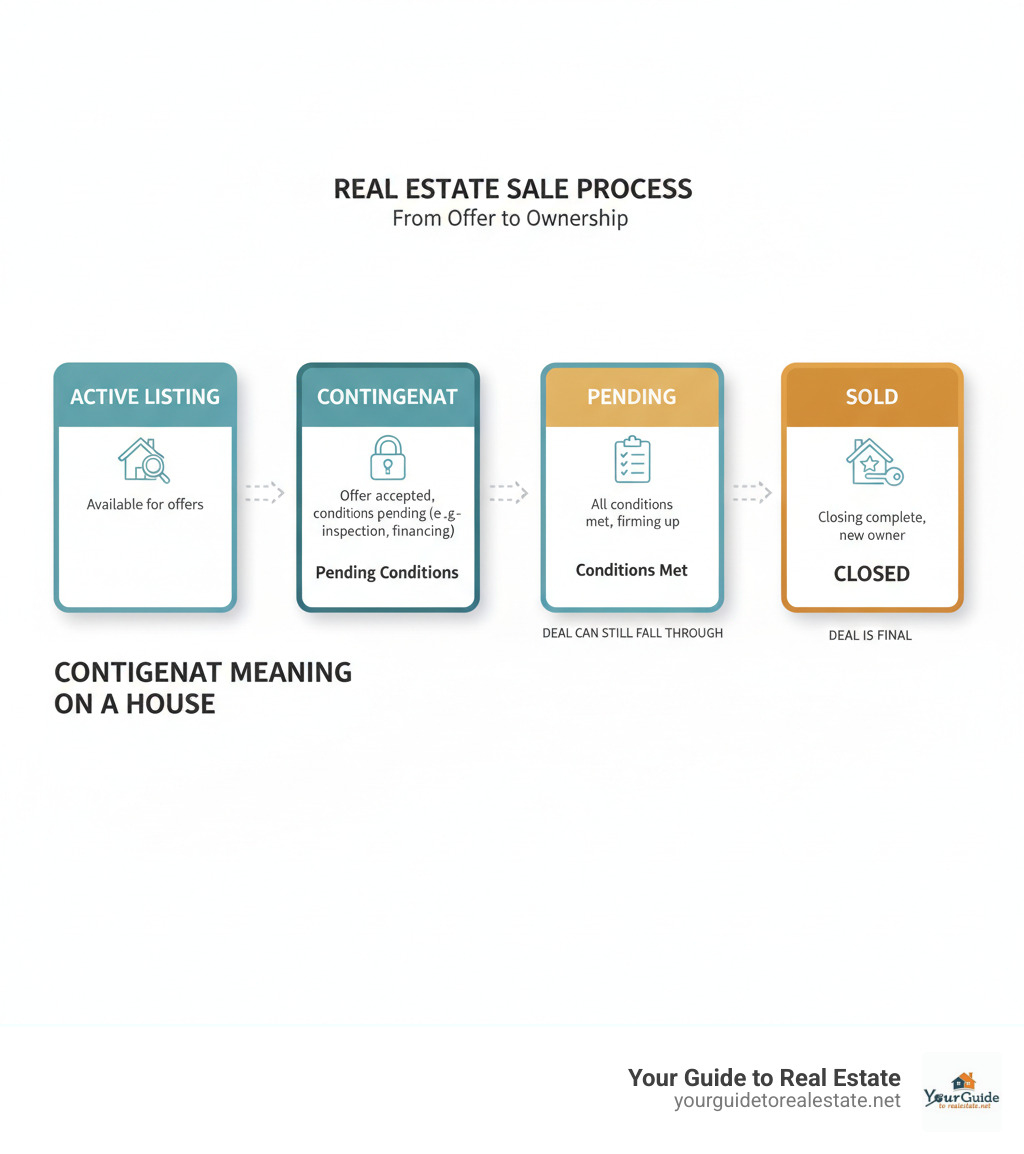
Know your contingent meaning on a house terms:
The Core of Contingent Meaning on a House
When a house shows a contingent meaning on a house status, it means there’s an accepted purchase agreement, but the deal isn’t final. These “what ifs” are contingencies—protective clauses for buyers (and sometimes sellers) that must be met within a set timeframe.

Contingencies offer buyer protection. If a condition isn’t satisfied, the buyer typically has the right to back out of a deal and reclaim their earnest money deposit—the good-faith payment made when the offer was accepted.
Understanding how financing works alongside contingencies can make all the difference. Our Understanding Mortgages: A Beginner’s Guide to Home Loans breaks down everything you need to know about the money side of home buying.
The buyer’s guide to contingent meaning on a house
As a buyer, contingencies are your best friend. The pros for buyers include significant risk reduction, as they act as a safety net against major issues. They also provide negotiation power; if an inspection reveals problems, you can ask the seller for repairs or credits. This leads to greater peace of mind throughout the process.
However, there are cons for buyers. In a competitive market, a contingent offer may be less competitive than a “clean” offer without conditions. Contingencies can also cause potential delays, as each one has a timeline that might push back your closing date.
If you’re new to home buying, our First-Time Homebuyer Tips can help you steer these waters with confidence.
The seller’s guide to contingent meaning on a house
For sellers, an accepted offer is not final when it’s contingent. There’s always a risk of the deal falling through. While most contingent offers close, about 7% of purchase agreements are terminated, which could mean putting your home back on the market.
Sellers must carefully evaluate contingent vs. non-contingent offers. A non-contingent offer is more certain, but a contingent offer might have a higher price that’s worth the risk.
Market conditions impact this decision. In a seller’s market, you can be selective and favor non-contingent offers. In a buyer’s market, you may need to be more flexible. Understanding your local market is crucial, and our guide on How to Do a Competitive Market Analysis (Real Estate) can help.
Common Types of Contingencies Explained
Understanding the different types of contingencies is key to navigating the contingent meaning on a house. These protective clauses are your lifeline in a real estate transaction. Let’s break down the five most common contingencies.

The financing contingency protects buyers who need a mortgage, while the home inspection contingency gives you time to uncover hidden problems. An appraisal contingency ensures you’re not overpaying, and a home sale contingency helps buyers who need to sell first. Finally, the title contingency makes sure you’re getting clear ownership of the property.
Financing Contingency
This clause makes your offer dependent on securing a mortgage. During the contingency period, you’ll formally apply for your loan and get final approval from the lender.
Getting pre-approved for a loan before making an offer shows sellers you’re a serious buyer who is likely to secure financing. If your financing falls through for any reason, this contingency allows you to walk away from the deal and get your earnest money back.
Our guide on The Loan Process for Buying a House walks you through every step of securing your mortgage.
Home Inspection Contingency
This contingency gives you the right to hire a professional to conduct a thorough property inspection. The inspector examines the home’s structure, major systems (HVAC, plumbing, electrical), roof, and foundation to uncover hidden problems that aren’t visible during a walkthrough.
If the inspection reveals issues, you have options for negotiating repairs or credits. You can ask the seller to fix the problems, reduce the purchase price, or provide credits at closing. If you can’t reach an agreement, this contingency lets you exit the contract with your earnest money.
For a deeper look at what inspectors do, check out our guide: What Is A Home Inspection.
Appraisal Contingency
An appraisal is a lender requirement to determine the home’s fair market value. This contingency protects you and the lender by ensuring the home value meets the sale price. If the appraisal comes in low, it creates an “appraisal gap.”
When facing appraisal gap options, the seller might lower the price, you could pay the difference in cash, or you could negotiate a compromise. If no solution is found, this contingency allows you to back out of the deal.
Our resource on Understanding Appraisals covers everything you need to know.
Home Sale Contingency
This contingency is for buyers who need to sell their current home before purchasing a new one. It’s designed to help you avoid carrying two mortgages at once.
Sellers often include a kick-out clause with this contingency, allowing them to continue marketing the home. If they receive a better offer, you typically have 24-72 hours to remove your contingency or lose the deal. Because of this uncertainty, home sale contingencies are less attractive in seller’s markets.
Title Contingency
This essential contingency protects your ownership rights by ensuring a clean title. A title search is conducted to verify the seller has the legal right to sell the property and that there are no liens or ownership disputes.
The importance of title insurance cannot be overstated. While the contingency protects you before closing, title insurance protects you from future claims for as long as you own the property.
For a complete understanding, read our guide on Understanding Title Insurance.
Contingent vs. Pending: What’s the Difference?
House hunters often see “contingent” and “pending” on listings. Understanding the distinction is crucial when exploring the contingent meaning on a house. Simply put, contingent means conditions are still pending, while pending means all conditions have been met and the sale is moving toward closing.
| Feature | Contingent Status | Pending Status |
|---|---|---|
| Definition | An offer has been accepted, but the sale is dependent on specific conditions (contingencies) being met. | All contingencies have been met, and the sale is moving forward toward closing. |
| Conditions | Conditions remain to be fulfilled (e.g., inspection, appraisal, financing, home sale). | Conditions have been satisfied or waived. |
| Risk of Fall-Through | Higher, as unmet contingencies can cause the deal to collapse. | Lower, as the major problems have been cleared. Deals can still fall through, but it’s less common. |
| Showings/Offers | Depending on the specific contingent status, the seller may still accept backup offers or continue showings. | Typically, no more showings or backup offers are accepted, as the deal is considered very close to completion. |
| Market Status | Still technically “active” in a way, as the deal is not yet solidified. | Effectively “off the market” and awaiting final transfer of ownership. |
For a more detailed breakdown, check out our guide: Contingent vs. Pending: Understanding the Differences.
Exploring Different Contingent Statuses
Real estate agents use sub-categories to clarify a contingent listing’s status.
Contingent – Continue to Show (CCS) means the seller has an accepted offer but is still allowing showings and accepting backup offers. This is common with home sale contingencies, as it keeps the seller’s options open.
Contingent – No Show indicates the seller is confident in the current buyer and has stopped all showings. They are not actively seeking other offers.
A kick-out clause allows a seller to accept a better offer. The original buyer then has a short period (usually 24-72 hours) to remove their contingencies or get “kicked out” of the deal.
No kick-out clause scenarios give the buyer more security, as the seller cannot entertain other offers once the contingent offer is accepted.
Understanding the ‘Pending’ Status
When a listing moves to pending, the deal is nearing the finish line. All major contingencies have been resolved.
Pending – Taking Backups is a status some sellers use for insurance. They’ll accept backup offers just in case the primary deal encounters an unexpected issue before closing.
Pending – Short Sale is a unique status where the lender must agree to accept less than the total mortgage owed. These deals are often lengthy and have a higher risk of falling through.
Most pending sales are much closer to closing than contingent ones. The final steps involve completing loan documents and title work. This final paperwork stage includes reviewing the closing disclosure, which outlines all final costs. Our guide on What is a closing disclosure? breaks down this critical document.
Making an Offer on a Contingent Home
Seeing your dream home listed as ‘contingent’ doesn’t mean it’s out of reach. Understanding the contingent meaning on a house can reveal opportunities to make an offer.

Many sellers accept backup offers. If the primary deal falls through, your offer automatically moves into first position. The key is to make your backup offer as strong as possible with solid financing, competitive terms, and flexibility on the closing date.
Deals can fall apart for several reasons. Financing issues are common, such as a denied loan or a low appraisal. Inspection problems can reveal costly repairs, and buyers with home sale contingencies may not sell their property in time. Sometimes, title issues or a simple change of heart can derail a sale.
Your backup offer is your chance to step in when life happens. For guidance on these early steps, check out our Easy Steps to Buying Your First Home.
How Often Do Contingent Offers Fall Through?
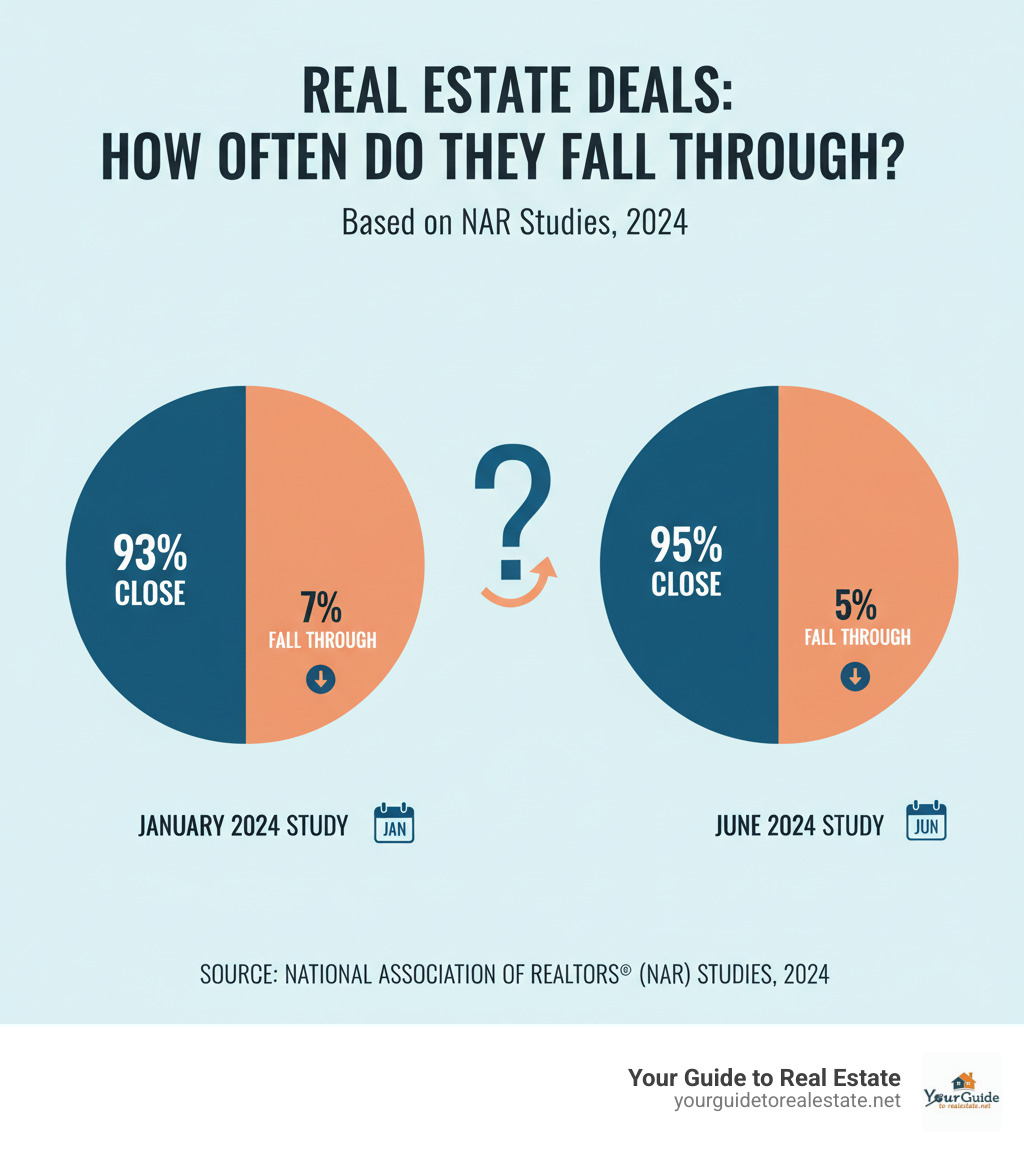
Most contingent deals successfully close. Data from the National Association of REALTORS® shows that only 5% of purchase contracts fell through in the three months leading up to their June 2024 survey. A January 2024 study found a slightly higher rate of 7%. Both studies confirm the vast majority of contingent offers make it to the closing table.
While your backup offer has a small chance of being activated, it’s not impossible. The prize is your dream home.
The studies referenced above provide the complete picture:
Should You Make a Backup Offer?
Deciding to make a backup offer depends on your patience and priorities.
The upside is compelling. A backup offer gives you the best possible position if the primary deal fails. You’ll be first in line before the home is re-listed.
But there are realistic downsides. The probability of success is low, and focusing on one contingent property might distract you from other available homes. While you wait, other great opportunities could pass you by.
Working with an experienced real estate agent is crucial. An agent can often get insights into the primary deal’s stability and help you decide if a backup offer is a wise investment of your time. If your offer is activated, speed is essential. You’ll need to move quickly through inspections and loan approval. Our resource on Real Estate Agent Selection can help you find the right professional for the job.
Frequently Asked Questions about Contingent Listings
Understanding the contingent meaning on a house often brings up key questions for buyers and sellers. Here are the straight answers.
How long does a house stay in contingent status?
The contingent period’s length is defined by the contract. Most contingencies, like inspection and financing, have deadlines of 10 to 30 days. A home sale contingency can extend this period to 30 to 60 days or more, depending on how long it takes the buyer to sell their current home. Once all conditions are met, the status changes to “pending.”
Can a seller back out of a contingent offer?
Generally, sellers cannot back out of an accepted contingent offer simply because they get a better one. A contract is legally binding. However, a seller can terminate the contract in two main situations:
- The buyer fails to meet their obligations, such as securing financing within the agreed-upon timeframe.
- A kick-out clause is exercised. If the contract includes this clause and the seller receives a better offer, they can give the original buyer a short window (usually 24-72 hours) to remove their contingencies or lose the deal.
Outside of these scenarios, both parties are bound to the agreement.
Is it a good idea to waive contingencies to win a bid?
Waiving contingencies can make your offer more attractive in a competitive market, but it’s a high-risk strategy. The risks are substantial: waiving an inspection could leave you with unexpected repair costs, and waiving a financing contingency could mean losing your earnest money if your loan is denied.
However, waiving contingencies might make sense in specific situations:
- Cash buyers can confidently waive financing and appraisal contingencies.
- Buyers in extremely competitive markets may find it’s the only way to win a bid.
- Some buyers conduct a pre-offer inspection to feel comfortable waiving the inspection contingency.
- Buyers with a strong financial position can better absorb the risks of an appraisal gap or unexpected repairs.
This decision should always be discussed with your real estate agent to weigh the pros and cons for your specific situation.
Final Thoughts on Navigating Contingent Listings
Grasping the contingent meaning on a house empowers you to make smart decisions when buying or selling your largest investment. As we’ve covered, contingencies act as a safety net, giving buyers time to conduct due diligence before the deal is final.
These protective clauses create a fair and transparent process. For buyers, they offer crucial protection against financial surprises. For sellers, they represent a genuine commitment from a serious buyer who is working toward closing the deal.
Contingencies manage risk, ensuring buyers avoid financial pitfalls and sellers deal with qualified purchasers. At Your Guide to Real Estate, we believe knowledge is your best tool. We’re here to offer the proven framework and stress-free guidance that makes all the difference, helping you steer the market with confidence.
The real estate market can feel overwhelming, but it doesn’t have to be. With the right knowledge and professional support, a complicated process becomes a manageable and exciting journey.
Ready to get started? Find the right professional to guide you through your real estate journey with confidence.