

Why ETFs are Dominating Modern Investment Portfolios
The fintechzoom.com etf market has become a major resource for investors who want clear insights into exchange-traded funds. Whether you’re just starting out or managing a complex portfolio, understanding ETFs is crucial for modern investing success.
Quick Answer for fintechzoom.com etf market:
- What it is: FintechZoom’s dedicated section covering ETF analysis, news, and trends
- Who uses it: Both beginners and professionals seeking ETF market insights
- Key features: Simple explanations, updated data, practical strategies, and trend forecasting
- Coverage: All ETF types including equity, bond, commodity, thematic, and cryptocurrency ETFs
- Unique value: Combines raw data with easy-to-understand commentary and education
ETFs have grown from niche instruments in the 1990s into a multi-trillion-dollar industry. These investment vehicles offer something traditional mutual funds can’t: the ability to trade like stocks while providing instant diversification across hundreds of companies, bonds, or commodities.
The numbers tell the story. ETFs consistently offer lower expense ratios than actively managed funds, often charging less than 0.20% annually compared to 1-2% for traditional mutual funds. They also provide transparency – you can see exactly what you own every single day.
FintechZoom stands out because it doesn’t just throw charts and numbers at you. The platform blends data with digestible commentary, making complex market trends accessible whether you’re 22 or 62, whether you’re investing your first $500 or your next $500,000.
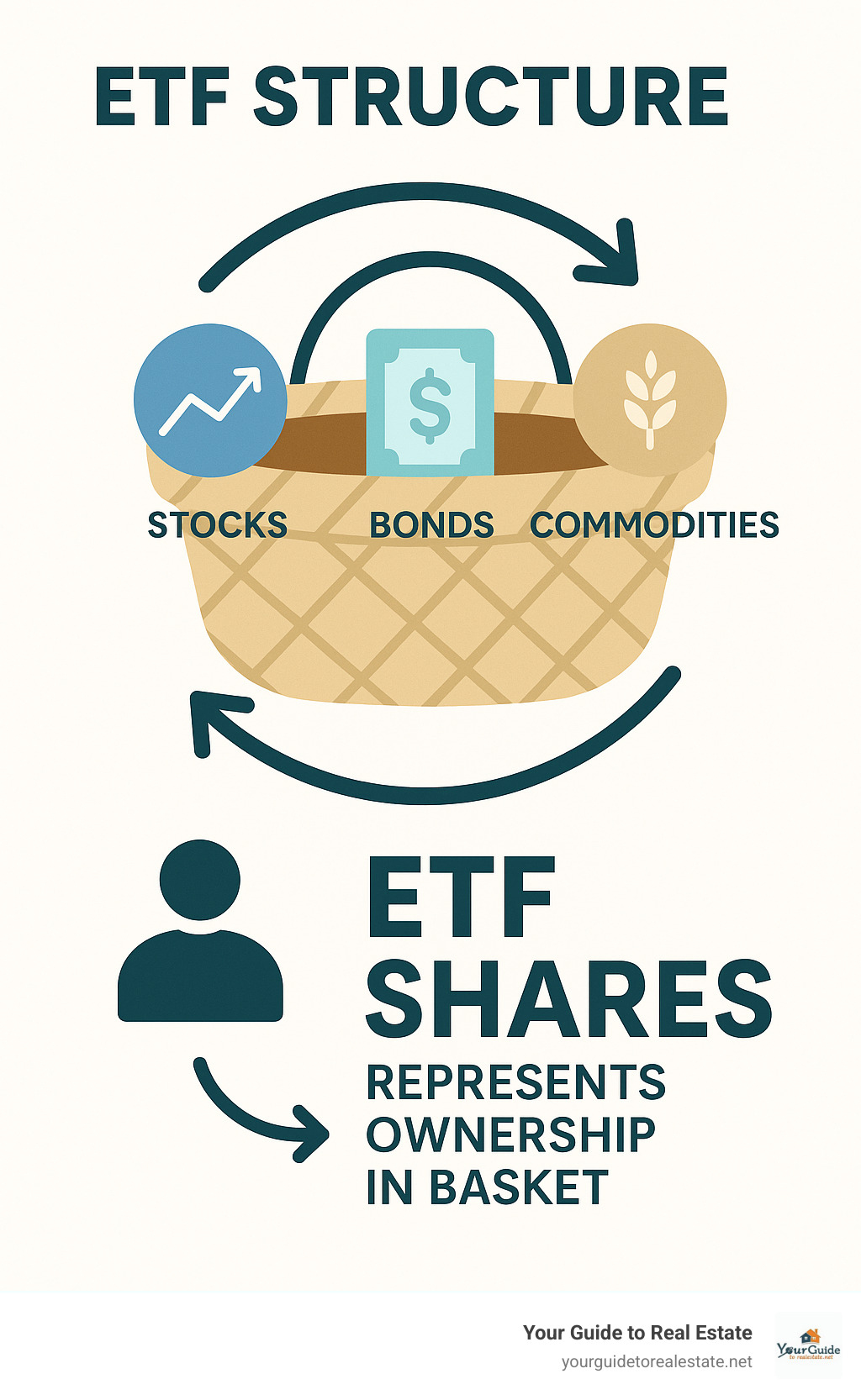
Quick fintechzoom.com etf market terms:
Decoding the Fintechzoom.com ETF Market: Your Central Hub for Insights
When we talk about the fintechzoom.com etf market, we’re referring to the comprehensive collection of guides, reports, and news articles on FintechZoom that illuminate Exchange-Traded Funds. It’s not just a data dump; it’s a curated resource designed to help investors make sense of this rapidly evolving financial landscape. The platform provides analytical insights, trend forecasting, and educational content, positioning itself as a vital tool for anyone navigating the ETF space.
Why Investors Trust FintechZoom for ETF Insights
So, why do investors, from greenhorn beginners to seasoned pros, flock to FintechZoom for their ETF market insights? The answer lies in its unique approach. Unlike many platforms that simply offer raw data, FintechZoom excels at blending numbers with easy-to-digest commentary. This means we get not just what is happening, but why it’s happening and what it might mean for our portfolios.
FintechZoom has emerged as a trusted platform because it simplifies complex financial concepts without sacrificing depth. It provides simple explanations, updated insights, and practical strategies, making it a reliable guide for understanding how ETF trends shape financial decisions. Its consistent emphasis on ETFs as a smart choice for modern portfolios, highlighting benefits like diversification, low cost, transparency, liquidity, and innovation, resonates with our investing philosophy. The platform’s commitment to real-time updates ensures that the information we receive reflects current market conditions, helping us stay ahead of the curve. You can explore their main portal for a broader view of their offerings: FINTECHZOOM – Financial Markets, Stocks & Crypto News.
A Beginner’s Gateway to ETF Investing
For those of us just dipping our toes into the investment waters, ETFs can seem daunting. But the fintechzoom.com etf market caters beautifully to beginners. It explains ETFs in plain language, breaking down foundational concepts into easy-to-follow guides. We’ve even heard anecdotes about an 11-year-old student being able to grasp the basics of ETFs explained on the platform – now that’s clarity!
FintechZoom offers essential educational value, providing step-by-step guidance on how to get started. It demystifies terms like “expense ratios” and “diversification,” helping us build a solid understanding before we commit our hard-earned money. The platform also clearly highlights the risks associated with the ETF market, ensuring beginners enter with eyes wide open. For those looking to expand their investment horizons beyond the stock market, understanding how to invest in various asset classes is key. For example, learning How to Invest in Real Estate can complement an ETF portfolio by providing alternative diversification.
Advanced Analysis for Experienced Investors
But what if we’re not beginners? What if we’ve been around the block a few times and are looking for something more? The fintechzoom.com etf market doesn’t leave advanced investors hanging. For experienced hands, it offers in-depth market analysis, providing the nuanced insights needed for sophisticated strategies. We can dive into detailed discussions on sector rotation, exploring how to shift investments to capitalize on emerging trends.
The platform also digs into advanced concepts like hedging strategies, which are crucial for managing risk in volatile markets. It provides comprehensive performance metrics and supports data-driven decisions by offering a blend of quantitative analysis and expert commentary. FintechZoom’s coverage of global trends, for instance, might show that Asian ETFs often track technology sectors, while European ETFs lean toward green and sustainable energy, offering valuable context for international diversification. This level of detail empowers us to refine our portfolios and pursue more complex investment objectives.
ETF Fundamentals Explained: Core Concepts and Market Growth
Think of an Exchange-Traded Fund (ETF) as your investment shopping cart, pre-filled with a carefully selected mix of stocks, bonds, or other assets. Instead of picking individual investments one by one, you’re buying a slice of an entire basket. The fintechzoom.com etf market coverage makes this concept crystal clear – ETFs are managed funds that track specific indexes or asset collections, giving us instant diversification with a single purchase.
What makes ETFs special is their flexibility. Unlike traditional mutual funds that only trade once daily after markets close, ETFs trade on stock exchanges throughout the day, just like individual stocks. This means we can buy or sell whenever markets are open, giving us control over our timing.

The ETF story is remarkable. These investment vehicles started as niche products in the 1990s but have exploded into a multi-trillion-dollar industry. FintechZoom consistently highlights why this growth happened: ETFs offer diversification, low costs, transparency, liquidity, and innovation all wrapped into one package.
Most ETFs follow a passive management approach, simply tracking an index rather than having expensive fund managers making daily decisions. This keeps costs low and often makes them more tax-efficient than actively managed alternatives. It’s a winning combination that appeals to both new investors and Wall Street pros.
Key ETF Categories to Build Your Portfolio
The beauty of ETFs lies in their variety. The fintechzoom.com etf market coverage shows us how different ETF types can work together to create a well-rounded portfolio that matches our specific goals and risk tolerance.
Equity ETFs are the workhorses of the ETF world. These funds track broad stock market indexes like the S&P 500 or focus on specific sectors like technology or healthcare. They’re perfect when we want exposure to hundreds of companies without the headache of researching individual stocks.
For those seeking steadier income, Bond ETFs invest in various types of bonds – government, corporate, or municipal. They provide diversification and income generation through regular interest payments, making them excellent portfolio stabilizers when stock markets get bumpy.
Commodity ETFs track raw materials like gold, oil, or agricultural products. These can serve as inflation hedges or help diversify beyond traditional stocks and bonds. When economic uncertainty rises, many investors turn to these funds for protection.
The exciting frontier includes Thematic ETFs focused on specific trends like artificial intelligence, green energy, or cloud computing. These funds let us invest in innovative sectors we believe will shape the future, though they often come with higher risk due to their specialized focus.
Cryptocurrency ETFs represent the newest category, providing exposure to digital assets like Bitcoin or blockchain technologies without the complexity of directly owning cryptocurrencies. FintechZoom frequently covers these emerging options, making this complex area more accessible to everyday investors.
Just as we diversify our investment portfolio across different ETF categories, smart investors also consider diversifying into real estate. Learning about Property Investment can complement an ETF strategy beautifully.
Core Advantages of ETFs Over Traditional Funds
Why have ETFs become such a dominant force? The fintechzoom.com etf market analysis consistently points to several compelling advantages over traditional mutual funds.
| Feature | Exchange-Traded Funds (ETFs) | Mutual Funds |
|---|---|---|
| Trading | Trade like stocks throughout the day | Priced once daily at market close |
| Liquidity | High, can be bought/sold anytime during market hours | Lower, transactions processed at end of day |
| Transparency | Holdings updated daily, visible to investors | Holdings disclosed less frequently (e.g., quarterly) |
| Costs | Generally lower expense ratios (passively managed) | Often higher expense ratios (actively managed) |
| Tax Efficiency | Typically more tax-efficient due to in-kind creation/redemption | Can generate more capital gains distributions |
The lower expense ratios alone make ETFs attractive. While actively managed mutual funds might charge 1-2% annually, many ETFs cost less than 0.20% per year. That difference compounds significantly over time, leaving more money in our pockets.
Intraday trading flexibility gives us control. If market news breaks at 2 PM and we want to adjust our portfolio, we can act immediately rather than waiting until after markets close. This flexibility proves invaluable during volatile periods.
Holdings transparency means we always know exactly what we own. ETF holdings are updated daily, unlike mutual funds that might only disclose their contents quarterly. This transparency helps us avoid unwanted surprises and make informed decisions.
The tax advantages stem from ETFs’ unique structure. Their creation and redemption process often allows them to avoid distributing capital gains to shareholders, making them more tax-efficient for long-term investors.
Navigating ETF Risks: What to Watch Out For
While ETFs offer tremendous benefits, the fintechzoom.com etf market coverage responsibly highlights the risks we need to understand. No investment comes without potential downsides, and being aware helps us make smarter decisions.
Market risk is unavoidable. If the overall market or a specific sector declines, our ETF will likely follow. A technology ETF will struggle when tech stocks fall, regardless of how well-constructed the fund might be.
Liquidity issues can affect some specialized ETFs. While most popular ETFs trade easily, niche funds might have lower trading volumes, leading to wider bid-ask spreads. This means we might pay more when buying or receive less when selling.
Tracking errors occur when an ETF doesn’t perfectly match its underlying index. While usually small, factors like fees, sampling methods, or rebalancing costs can cause slight performance differences from the intended benchmark.
Concentration risk particularly affects thematic ETFs. A fund focused heavily on artificial intelligence or a specific emerging technology can be highly susceptible to adverse developments in that narrow area. Even broad funds can have concentration issues – some popular ETFs have over 40% of their assets in just a few giant companies.
Regulatory oversight provides protection but can also bring changes. The Securities and Exchange Commission (SEC) regulates ETFs to ensure fairness and transparency, but evolving rules could potentially impact how these funds operate.
Understanding these risks helps us invest wisely. The key is matching our ETF choices to our financial goals, risk tolerance, and investment timeline. When in doubt, consulting with a financial advisor can provide valuable personalized guidance.
Actionable Strategies and Future Trends for Every Investor
The fintechzoom.com etf market isn’t just about understanding what ETFs are; it’s about putting that knowledge to work. The platform excels at providing real-world strategies that everyday investors can actually use, whether you’re building wealth for retirement or actively managing your portfolio.
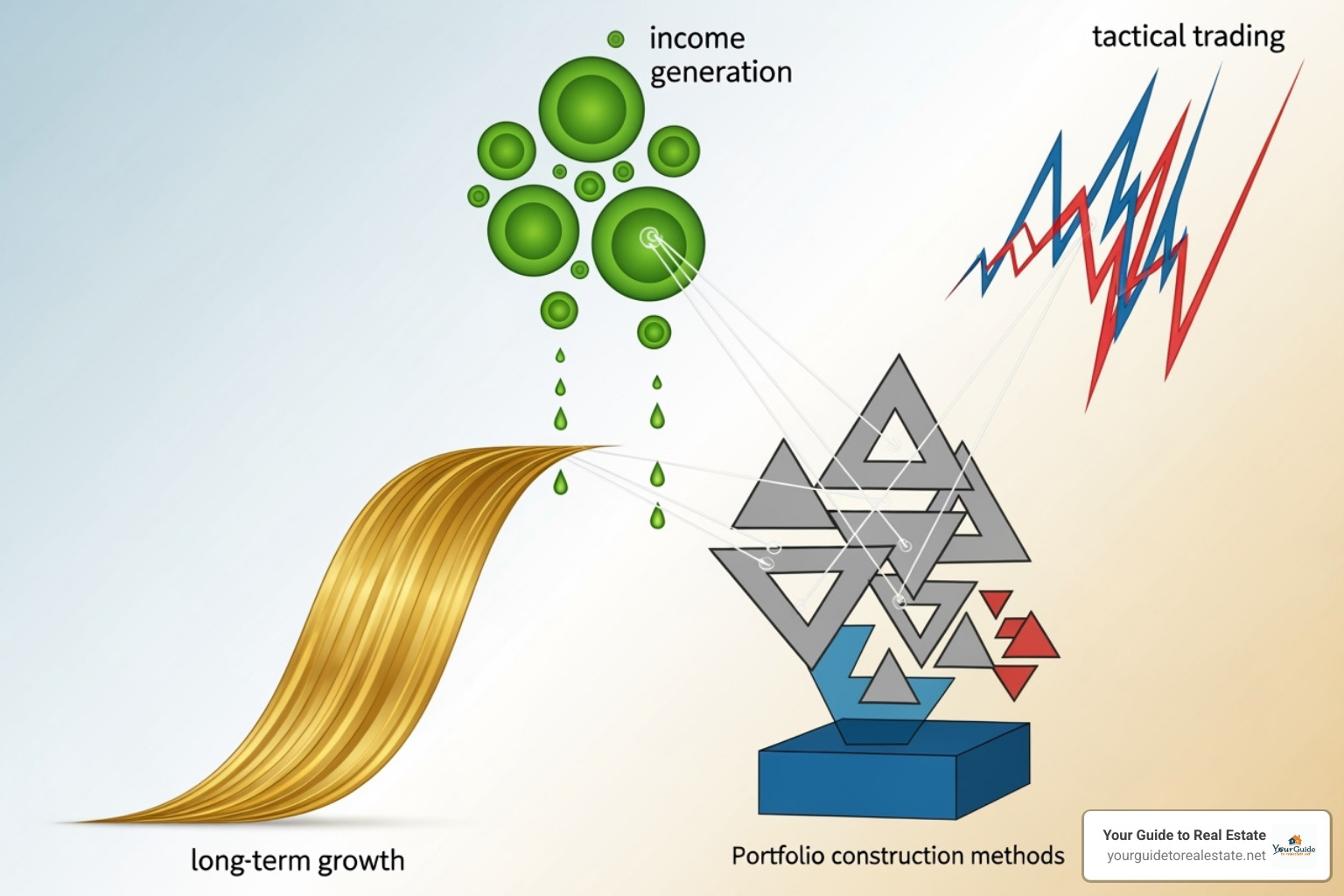
Popular ETF Investment Strategies
FintechZoom breaks down proven strategies that take advantage of what makes ETFs special. The beauty is that you don’t need to be a Wall Street pro to use them effectively.
Buy and Hold remains the gold standard for most investors. This approach means purchasing broad-market ETFs and letting time work its magic through compound growth. It’s beautifully simple and historically effective – much like the proven Buy and Hold Real Estate strategy that builds wealth over decades.
For those who want more control, Sector Rotation offers an active approach. FintechZoom’s market analysis helps investors identify which industries might outperform next. Maybe technology is cooling off while healthcare heats up – sector ETFs let you make those shifts without picking individual stocks.
Dividend investing through ETFs creates a steady income stream that many investors love. These funds focus on companies that regularly pay dividends, turning your portfolio into a monthly paycheck. It’s particularly attractive for folks approaching retirement or anyone who wants passive income flowing in.
Hedging strategies might sound complex, but FintechZoom explains them clearly. Inverse ETFs can actually profit when markets fall, offering a way to protect your portfolio during rough patches. It’s like having insurance for your investments.
The Role of Technology and Choosing a Broker
Technology has completely transformed how we invest in ETFs, and FintechZoom stays on top of these changes. AI-powered insights now help us spot trends, while robo-advisors can build and rebalance entire portfolios automatically.
The right broker makes all the difference in your ETF investing experience. Commission-free ETFs should be your starting point – why pay extra fees when you don’t have to? TradeStation leads the pack with over 2,000 commission-free options, while TD Ameritrade offers over 300 and E-Trade provides more than 250.
Trading technology matters more than you might think. A clunky platform can turn simple trades into frustrating experiences. The best brokers offer smooth desktop, web, and mobile apps that make managing your investments actually enjoyable.
Research tools help you make smarter decisions. Quality brokers provide access to professional analysis and ratings, often including Morningstar research that would cost hundreds of dollars on its own. Mobile trading apps have become essential – you want to check your portfolio or make trades whether you’re at home or grabbing coffee.
Robo-advisors like Wealthfront have made professional portfolio management accessible to everyone. They manage your first $10,000 free and maintain average expense ratios around 0.12 percent for their ETFs. It’s like having a financial advisor who never sleeps.
The Future of ETFs: What FintechZoom Predicts
FintechZoom’s crystal ball shows an incredibly bright future for ETFs. The platform predicts they’ll continue taking over traditional investment portfolios, and the reasons make perfect sense.
Innovation in digital assets is just getting started. Cryptocurrency ETFs have opened the door, but FintechZoom expects much more sophisticated products covering blockchain technology, decentralized finance, and digital assets we haven’t even imagined yet.
Sustainability-focused funds are riding a massive wave of investor interest. ESG (Environmental, Social, and Governance) ETFs aren’t just feel-good investing anymore – they’re becoming core portfolio holdings as companies with strong values often deliver strong returns.
Frontier technologies will create entirely new ETF categories. Think artificial intelligence, quantum computing, space exploration, and biotechnology breakthroughs. The Nasdaq-100 index already gives us a taste of this future-focused investing approach.
The continued growth trajectory looks unstoppable. As more investors find the benefits of low costs, instant diversification, and trading flexibility, ETFs will likely dominate even more of the investment landscape. FintechZoom’s comprehensive coverage ensures you’ll be ready for whatever innovations come next, helping you build wealth through both traditional markets and emerging opportunities.
Frequently Asked Questions about the Fintechzoom.com ETF Market
Let’s be honest – when you’re exploring the fintechzoom.com etf market, questions are bound to pop up. We’ve all been there, scrolling through financial sites wondering if we’re getting the full picture or if there’s something we’re missing. That’s completely normal, and frankly, asking questions is one of the smartest things you can do before diving into any investment platform.
What makes FintechZoom’s ETF coverage unique compared to other sites?
Here’s what really sets FintechZoom apart from the crowd: they don’t just throw a bunch of charts at you and call it a day. You know those sites that make you feel like you need a finance PhD just to understand what they’re talking about? FintechZoom isn’t one of them.
What makes their approach special is how they blend raw data with easy-to-digest commentary. Think of it like having a knowledgeable friend explain the markets to you over coffee, rather than reading a dry textbook. They take complex financial concepts and break them down into language that actually makes sense.
The platform combines analysis, education, and trend forecasting all in one place. So instead of just seeing that an ETF went up 3% yesterday, you’ll understand why it happened and what it might mean for your investment strategy. Whether you’re managing your first $1,000 or your hundredth thousand, this comprehensive approach helps you make decisions based on understanding, not just numbers.
Does FintechZoom cover cryptocurrency ETFs?
Absolutely! The fintechzoom.com etf market coverage includes the exciting (and yes, sometimes nerve-wracking) world of cryptocurrency ETFs. This isn’t just a passing mention either – they dive deep into this rapidly evolving sector.
FintechZoom provides analysis and reviews on ETFs linked to Bitcoin and other major cryptocurrencies, plus those connected to the broader blockchain technology industry. They help you understand how these digital asset ETFs work and how they might fit into your overall investment strategy.
What’s particularly helpful is that they acknowledge both the potential and the volatility of this space. Crypto ETFs can be thrilling, but they’re not for the faint of heart. FintechZoom gives you the context you need to decide if they belong in your portfolio, without the hype or fear-mongering you might find elsewhere.
Is the information on FintechZoom suitable for a complete beginner?
This might be the best part about FintechZoom – it’s genuinely beginner-friendly. Remember feeling intimidated by financial jargon when you first started thinking about investing? FintechZoom gets that, and they’ve built their content around making everyone feel welcome.
The platform is known for breaking down complex financial topics into simple, plain-language guides. They provide foundational concepts and step-by-step explanations that don’t assume you already know what terms like “expense ratio” or “tracking error” mean. It’s like having training wheels for your investment education – supportive until you’re ready to ride on your own.
Their educational approach focuses on empowering beginners with the knowledge they need to start investing confidently. You won’t feel overwhelmed by insider terminology or left wondering what everyone’s talking about. Instead, you’ll build a solid foundation that grows with your investment experience, making the learning curve much smoother and far less intimidating.
Conclusion: Building a Diversified and Informed Financial Future
Throughout our journey exploring the fintechzoom.com etf market, we’ve finded why Exchange-Traded Funds have become such a powerful force in modern investing. These remarkable investment vehicles offer something truly special – the ability to diversify across hundreds of assets with just one purchase, all while keeping costs low and maintaining the flexibility to trade throughout the day.
The numbers speak for themselves. With expense ratios often below 0.20% compared to traditional mutual funds charging 1-2%, ETFs put more money to work for us rather than lining fund managers’ pockets. Their transparency means we always know exactly what we own, and their tax efficiency helps us keep more of our gains.
What makes FintechZoom special isn’t just the data they provide – it’s how they present it. They’ve mastered the art of taking complex financial concepts and making them accessible to everyone. Whether you’re investing your first $500 or your next $500,000, their blend of expert analysis and plain-English explanations helps you make smarter decisions.
The future looks bright for ETFs. From cryptocurrency funds to sustainable investing options, innovation continues to expand our choices. The fintechzoom.com etf market coverage ensures we stay ahead of these trends, positioning ourselves for success as the investment landscape evolves.
Here at Your Guide to Real Estate, we see clear parallels between smart ETF investing and successful real estate strategies. Both require research, patience, and diversification. Just as ETFs spread risk across many stocks, a well-planned real estate portfolio can provide stability and long-term wealth building across different markets and property types.
The principles that make ETF investing successful – doing your homework, understanding the risks, and staying informed – apply equally to real estate investing. Whether you’re building wealth through the stock market or property ownership, having trusted sources of information makes all the difference.
Smart investing starts with smart information. FintechZoom provides that foundation for ETF investing, just as we aim to do for your real estate journey. When you’re ready to apply these same principles of informed decision-making to property investing, we’re here to guide you through every step, including Choosing a Real Estate Broker who can help turn your investment goals into reality.