

Why You Need an Eminent Domain Lawyer When the Government Comes for Your Property
An eminent domain lawyer is a specialized attorney who represents property owners when the government seeks to take private land for public use. These lawyers protect your constitutional right to “just compensation” and negotiate to maximize the payment you receive, often securing settlements many times higher than initial government offers.
What an eminent domain lawyer does for you:
- Evaluates the government’s offer to ensure it reflects true fair market value
- Challenges undervalued appraisals and lowball compensation amounts
- Negotiates with condemning authorities on your behalf
- Represents you in condemnation proceedings, mediation, or trial
- Ensures you receive relocation benefits and compensation for business losses
- Protects your rights throughout the entire taking process
The difference between handling eminent domain alone versus with legal representation can be staggering. Research shows property owners who hire specialized attorneys typically receive settlements ranging from 3 to 50 times higher than initial government offers. In one Indiana case, an initial offer of $46,160 resulted in a final recovery of $2,400,000 with proper legal representation.
When you receive that notice letter from the Department of Transportation or utility company, you’re facing one of the most powerful legal forces in the country: the government’s constitutional power to take private property. The Fifth Amendment requires they pay you “just compensation,” but they won’t tell you what that truly means—or how much you’re actually entitled to.
The condemning authority has lawyers, appraisers, and decades of experience acquiring land at the lowest possible cost. You need someone equally skilled fighting for your side. That’s where an eminent domain lawyer becomes essential. These specialists understand the complex valuation issues, know how to challenge government appraisals, and have the trial experience to push back when negotiations fail.
This guide walks you through five straightforward steps to find, vet, and hire the right eminent domain attorney to protect your property rights and secure the full compensation you deserve.
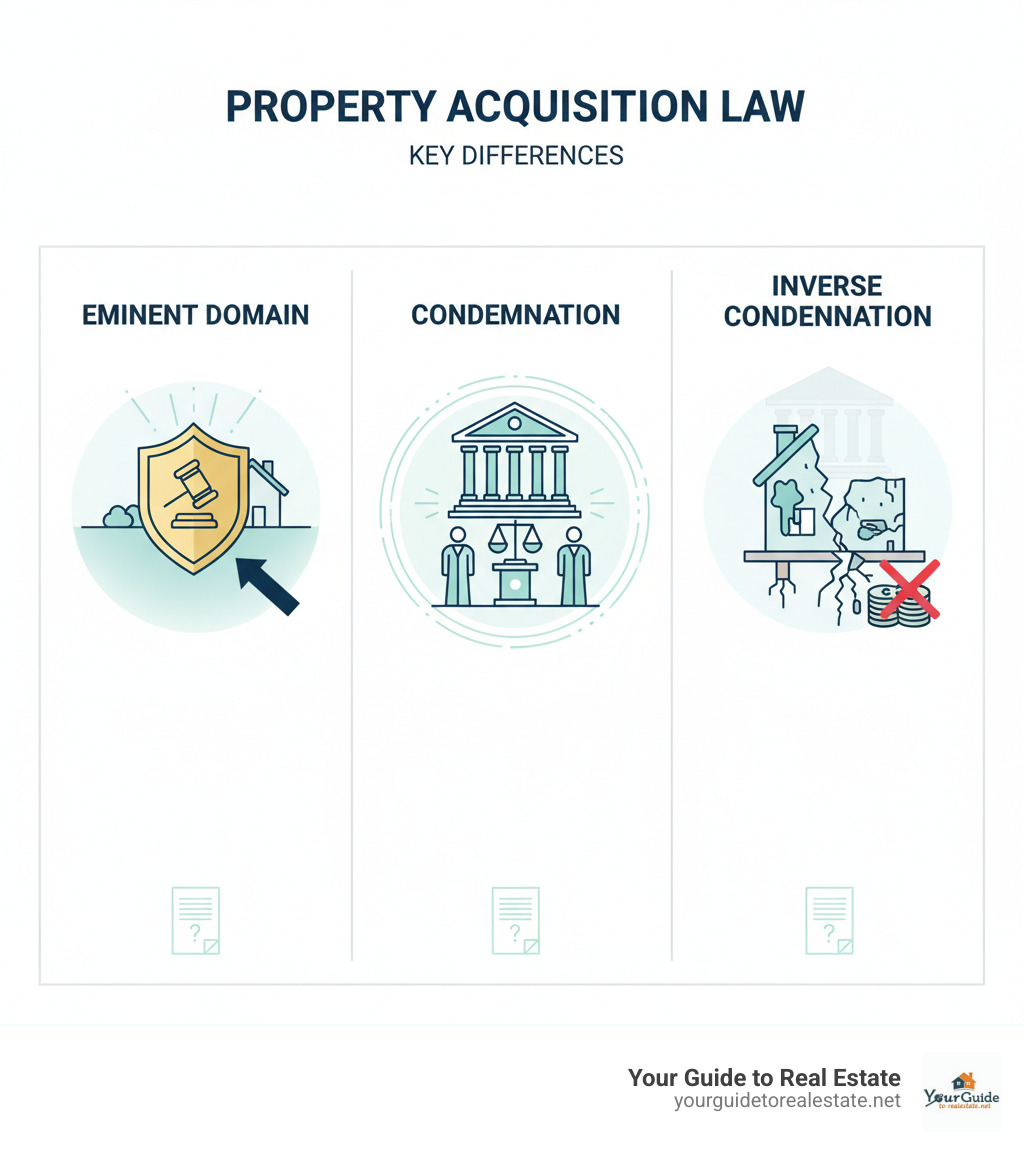
Eminent domain lawyer vocab to learn:
Step 1: Understand Your Rights and the Taking
Before you pick up the phone to call an eminent domain lawyer, you need to understand exactly what’s happening to your property. Think of this as gathering intelligence before heading into battle—because that’s essentially what you’re doing.
When that government notice arrives in your mailbox, it’s exercising something called eminent domain. This is the government’s constitutional power to take private property for public use. It sounds scary, and frankly, it should concern you. But here’s the important part: the Fifth Amendment of the U.S. Constitution requires the government to pay you “just compensation” for anything they take. That’s not a suggestion—it’s your constitutional right.
Now, you’ll hear two terms thrown around: eminent domain and condemnation. They’re related but different. Eminent domain is the power itself—the government’s authority to take property. Condemnation is the actual legal process they use to do it. Think of eminent domain as the right to take, and condemnation as the lawsuit or proceeding where they actually do the taking.
Your primary right in all of this? Fair payment. “Just compensation” means you shouldn’t end up financially worse off because the government decided it needed your land. Unfortunately, as you’ll see in Step 2, government agencies don’t always start with fair offers.

The government takes property for all sorts of public projects. Highway expansions are probably the most common—your front yard might be needed for a wider road. Utility easements for power lines, pipelines, or sewer systems cut across thousands of properties every year. In Michigan alone, some projects have required rights-of-way across hundreds of parcels spanning thousands of miles.
Then there’s urban redevelopment. This is where things get controversial. Cities sometimes use eminent domain for projects like new stadiums, shopping centers, or mixed-use developments. The “public use” requirement gets stretched pretty thin in these cases, and property owners have successfully challenged some of these takings.
Sometimes the government doesn’t want your whole property—just a slice of it. These partial takings are incredibly common but can be devastating. Imagine losing your parking lot, or having a new road cut off customer access to your business. The government might only take 10% of your land, but that could destroy 50% of your property’s value or functionality.
Here’s something many property owners don’t realize: eminent domain laws vary significantly by state. The federal Fifth Amendment sets the baseline, but Oklahoma has different procedures than Texas, which differs from Michigan. What counts as “public use” in one state might not fly in another. This is exactly why you need an eminent domain lawyer who knows your state’s specific laws inside and out.
If you own a business or commercial property, the stakes get even higher. Losing part of your lot can mean losing parking spaces, visibility from the road, or access for delivery trucks. Your business might become unviable even though the government only took a fraction of your land.
Proper compensation for commercial properties must include not just the land value, but also business losses, relocation costs, and impacts to your “going concern value”—the value of your operating business. We’ve seen cases where businesses initially offered zero compensation ended up receiving six-figure settlements once proper legal representation got involved. You can explore real-world scenarios in our guide on eminent domain examples.
Related Legal Concepts You Should Know
The government doesn’t always knock on your door and announce they’re taking your property. Sometimes they just… take it. Or damage it. Or make it worthless through their actions. These situations fall under different legal concepts that are important to understand.
Inverse condemnation happens when the government takes or damages your property without starting formal eminent domain proceedings. Maybe a new drainage project floods your land every time it rains. Or a road project cuts off all access to your property. The government hasn’t filed any condemnation case—they’ve just acted in a way that effectively takes your property rights.
In inverse condemnation, you have to sue them to force compensation for a taking they won’t acknowledge. It’s backwards from normal condemnation, hence the name.
Regulatory takings are even trickier. This is when a new law or regulation makes your property essentially worthless without any physical taking at all. Imagine you own land zoned for commercial development, then the city rezones it in a way that makes any economically viable use impossible. No one physically took your land, but the regulation destroyed its value. That can be a compensable taking.
The key with regulatory takings is showing the regulation deprived you of all economically reasonable use of your property. It’s a high bar, but it’s an important protection against government overreach.
Understanding whether your situation involves direct condemnation, inverse condemnation, or a regulatory taking affects your legal strategy. It also determines who files the lawsuit and what you need to prove. Some properties have special protections—learning what property is exempt from eminent domain can be crucial to your case.
This foundational knowledge prepares you for the next step: analyzing what the government is actually offering you, and why it’s probably not enough.
Step 2: Analyze the Government’s Process and Offer
Before you can effectively negotiate, you must scrutinize the condemning authority’s actions and their initial offer. This is often where a property owner’s rights are most at risk.
Here’s the uncomfortable truth: the government has done this hundreds, maybe thousands of times before. You probably haven’t. And that imbalance shows up most clearly in the initial offer.
The process typically starts with a notice that your property is needed for a public project. Then comes what’s supposed to be a “good faith” offer based on an appraisal. The condemning authority is legally required to make this offer, and on paper, it should represent “just compensation.” But here’s where things get tricky—their version of “just compensation” and what you actually deserve are often worlds apart.
Just compensation is supposed to put you in the same financial position you’d be in if your property hadn’t been taken. That sounds straightforward, but it’s rarely that simple. The calculation should include the fair market value of the property being acquired, plus any damages to your remaining property if it’s a partial taking. If a highway expansion cuts through your commercial lot and suddenly your customers can’t access your parking lot as easily, that severance damage counts. If you’re forced to relocate your home or business, those relocation costs should be covered too.
Yet these components are routinely undervalued or simply missing from initial offers. We’ve seen it happen again and again in Dallas, Oklahoma City, and across the country. Government appraisers might calculate fair market value as what a willing buyer would pay a willing seller, both acting reasonably and with full knowledge. That definition sounds fair. But their appraisals often use conservative methods that don’t capture what makes your property truly valuable—especially if it’s unique or has specialized uses.
Understanding real estate valuation principles helps here. Your property should be valued based on its highest and best use, not just what you’re currently using it for. That vacant lot the government appraised as empty land? Its highest and best use might be as a future commercial development site worth significantly more. A competitive market analysis in real estate would reveal this, but government appraisals often don’t dig that deep.
There are also consequential damages to consider—indirect impacts like lost business profits or increased operating costs. If only an easement is taken, the compensation should reflect how that easement affects your entire property, not just the narrow strip of land involved.
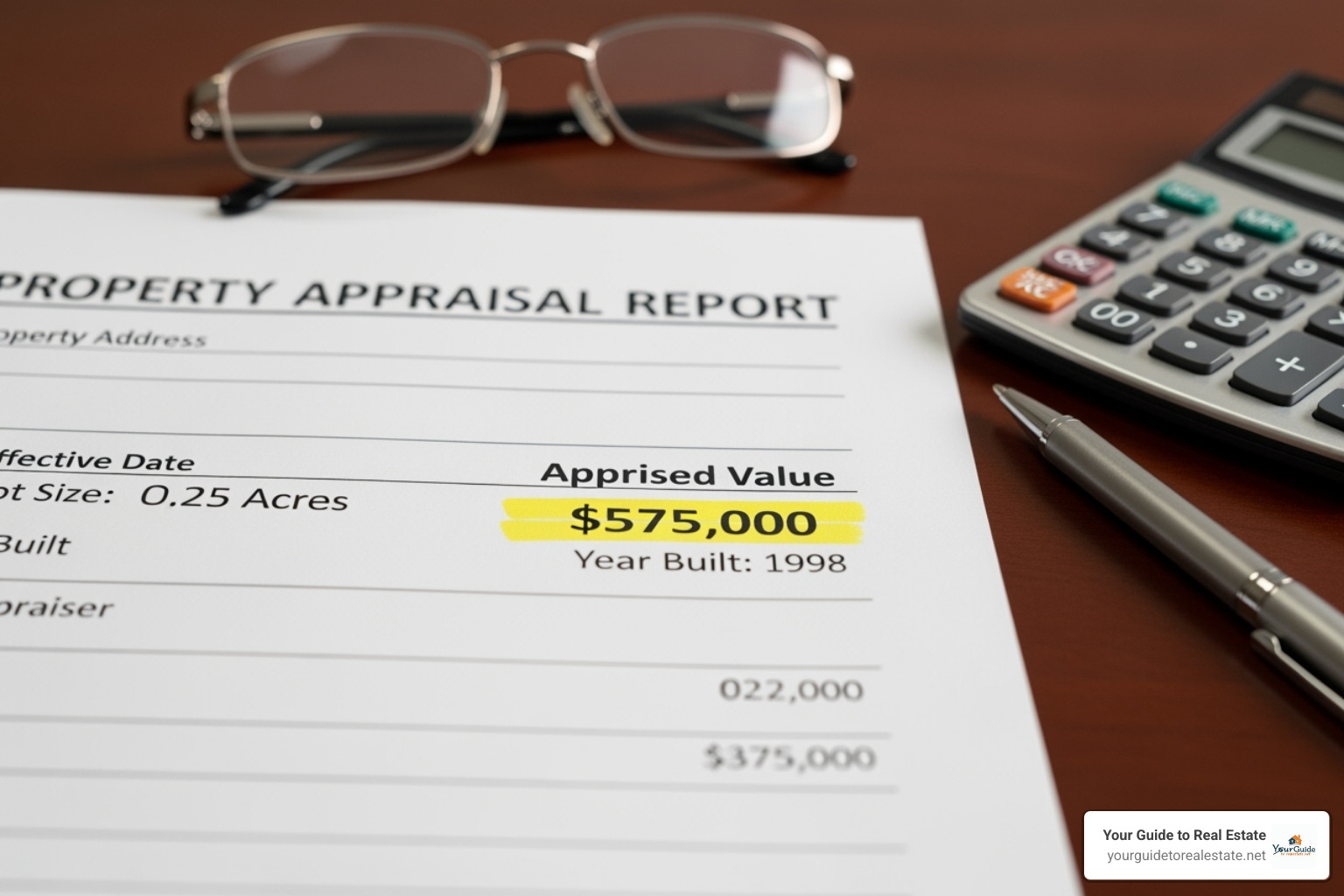
Many property owners, feeling overwhelmed by official-looking documents and government pressure, accept the first offer. We understand the impulse. You want this over with. But accepting that initial number is almost always leaving money—often a lot of money—on the table.
Why Initial Offers Are Often Too Low
The numbers don’t lie, and they’re frankly shocking. Property owners who hire an eminent domain lawyer typically recover settlements ranging from 3 to 50 times higher than the initial government offer. That’s not a typo.
Consider these real cases: Vacant industrial land with an initial offer of $129,000 ultimately recovered $1,700,000—more than 13 times the original amount. A private school was offered $499,500 but recovered $2,122,455 with proper representation. In Indiana road projects, one property owner went from an initial offer of $46,160 to a final recovery of $2,400,000. Another jumped from $79,200 to $3,000,000. One firm specializing in these cases has obtained over $700 million in jury verdicts and settlements, consistently achieving outcomes many times higher than government valuations.
So why the massive gap? Several reasons explain this pattern.
Government appraisals routinely underestimate damages, particularly in partial takings. They might account for the land being taken but miss how that taking affects what’s left behind. They overlook the ripple effects on your property’s value and usability.
Business losses are especially prone to miscalculation. Figuring out the true impact on a business is complex. It includes lost profits during relocation, the costs of moving and re-establishing operations, the loss of customer relationships, and what’s called “going concern value”—the intangible worth of a functioning business with established customers and reputation. Initial offers rarely capture this full picture. We’ve seen cases where businesses received initial offers of zero dollars, only to later secure six-figure settlements with proper legal help.
Appraisals can simply be wrong. Government appraisers are professionals, but they’re working for the condemning authority. Their valuations tend toward the conservative side. They might not fully understand your property’s unique characteristics or the specific market conditions in your area. They might use comparable sales that aren’t truly comparable or miss crucial factors that make your property more valuable.
You lack negotiation leverage without representation. The government has unlimited resources, experienced lawyers, and decades of practice acquiring land at the lowest possible cost. As one Michigan eminent domain expert noted, many landowners “do not get the compensation they deserve and end up accepting the initial offer” simply because they don’t have the expertise to challenge it. What seems like a reasonable deal might actually be a fraction of what you’re entitled to receive.
This is why having a qualified eminent domain lawyer on your side changes everything. They know how to scrutinize every line of the government’s appraisal, identify what’s been overlooked or undervalued, and build a case for the true worth of your property. They understand the tactics condemning authorities use and how to counter them effectively.
The initial offer is just an opening move in a negotiation. It’s not the final word, and it shouldn’t be treated as one.
Step 3: How to Find a Qualified Eminent Domain Lawyer
Not all attorneys are equipped to handle these complex cases. This step focuses on where to find lawyers who specialize exclusively in eminent domain and condemnation law.
When the government comes for your property, you need more than just a good attorney—you need the right attorney. Here’s something that might surprise you: eminent domain law is so specialized that even experienced real estate lawyers or civil litigators often aren’t equipped to handle these cases effectively.
Think of it this way. You wouldn’t hire a family doctor to perform heart surgery, even though they’re both medical professionals. The same principle applies here. An eminent domain lawyer operates in a highly specialized field with its own unique statutes, constitutional principles, and valuation methodologies. These attorneys literally spend their entire careers mastering this one area of law.
At Your Guide to Real Estate, we’ve seen how the right legal representation can transform an outcome. But finding that specialist requires knowing where to look.
Your state bar association is an excellent starting point. Most bar associations maintain referral services that can connect you with attorneys who specialize in specific practice areas. When you call, be clear that you need someone who focuses exclusively on eminent domain and condemnation cases, not just someone who has handled one or two in the past.
Another powerful resource is legal rating services like Best Lawyers in America. This service compiles lists of top attorneys based on peer reviews from other lawyers—essentially, it’s attorneys voting for who they consider the best in each field. You can find an attorney via Best Lawyers in America who specializes in eminent domain and condemnation law. When lawyers themselves recommend someone, that says something meaningful about their reputation and skill.
For property owners, one of the most valuable resources is the Owners’ Counsel of America (OCA). This national organization consists of experienced eminent domain attorneys who exclusively represent property owners—never the government. OCA lawyers share resources, case strategies, and expertise with each other, which means you’re not just hiring one attorney; you’re gaining access to a network of specialized knowledge.
Don’t overlook referrals from real estate professionals either. Real estate brokers, appraisers, commercial property managers, and other professionals who work in property transactions often know which attorneys get results in eminent domain cases. They’ve seen outcomes and can point you toward lawyers with proven track records. Given our focus on real estate education and information, we understand how critical these professional networks can be.
Specialized legal directories focused specifically on condemnation and eminent domain law can also help you identify attorneys who dedicate their practice to this field. These directories often provide detailed information about an attorney’s experience, case results, and areas of focus within eminent domain law.

The Importance of Specialization in an eminent domain lawyer
Let’s talk about why specialization matters so much in these cases.
Eminent domain law sits at the intersection of complex constitutional law, real property law, and specialized valuation principles. The Fifth Amendment guarantees just compensation, but interpreting what that means in your specific situation requires deep expertise. State statutes add another layer of complexity, with procedures and requirements that vary significantly from one jurisdiction to another.
An eminent domain lawyer who practices exclusively in this field understands these nuances instinctively. They know the difference between consequential damages and severance damages. They understand how to value an easement versus a full taking. They can spot when a government appraiser has undervalued your property’s highest and best use.
Experience with government agencies is another critical advantage. These specialized attorneys regularly face off against the same condemning authorities—state Departments of Transportation, utility companies, municipal redevelopment agencies. They know the personnel, understand the tactics, and can anticipate the arguments. This familiarity levels the playing field in negotiations.
Perhaps even more valuable are the relationships with expert appraisers and consultants that specialized attorneys have built over years of practice. Challenging a government appraisal requires your own expert witnesses—appraisers who understand the unique aspects of condemnation valuation, engineers who can assess property damage, business valuators who can calculate lost profits. Top eminent domain firms maintain networks of these trusted experts, which they’ve relied on across dozens or hundreds of cases.
Trial experience versus settlement focus is a distinction worth understanding. While most eminent domain cases settle before trial, your attorney’s willingness and ability to go to trial dramatically affects your negotiating position. The government knows which lawyers have strong courtroom track records and which ones always settle. An attorney who has successfully tried eminent domain jury trials sends a clear message: you’re prepared to fight for full compensation. David W. Holloway, an attorney who exclusively limits his practice to eminent domain, emphasizes the importance of asking lawyers about their jury trial experience before hiring them.
Local and state knowledge can’t be overstated. A Michigan eminent domain lawyer will be intimately familiar with the Michigan Uniform Condemnation Procedures Act and how Michigan courts interpret just compensation. Similarly, an attorney practicing in Dallas understands Texas precedents, while one in Oklahoma City knows Oklahoma’s specific statutes and case law. These local nuances can significantly impact your case outcome.
Some firms take an integrated approach, bringing together expertise from related practice areas. Environmental concerns, tax implications, and complex real estate issues often arise in eminent domain cases. Firms that can coordinate across these specialties provide more comprehensive representation, though the core eminent domain expertise remains the foundation.
When you’re facing the government’s power to take your property, you need someone who has dedicated their career to protecting property owners in exactly this situation. That level of specialization makes all the difference between accepting a lowball offer and securing the full compensation you deserve.
Step 4: Key Questions to Ask Before You Hire
Choosing the right lawyer is the most critical decision you’ll make. A thorough vetting process ensures you find an advocate who will truly protect your interests.
You’ve done your homework. You’ve identified several potential eminent domain lawyers who specialize in this complex field. Now comes the crucial part: the interview. Think of this as a partnership interview, because that’s exactly what it is. This attorney will be your advocate, your voice, and your shield against one of the most powerful forces you’ll ever face—the government’s legal machinery.
We want you to approach this process with confidence. Don’t be shy about asking tough questions. A good eminent domain lawyer will welcome your scrutiny and be eager to explain their approach. After all, they’re asking you to trust them with your most valuable asset.
Start with the fundamentals of their experience. You need to know: “What is your specific experience with eminent domain cases like mine?” This isn’t the time for a general practitioner who occasionally handles a condemnation case. You want someone who lives and breathes this work. Ask about cases involving your specific property type—whether it’s residential, commercial, industrial, or agricultural land. Ask about the type of taking you’re facing, whether it’s a full acquisition, a partial taking, or just an easement. Firms like Ziegler Law Group, for example, handle everything from private schools to golf courses, and they can speak to that breadth of experience.
The next question cuts right to the heart of why you’re hiring them: “What is your track record in achieving results significantly higher than initial government offers?” Don’t settle for vague assurances. Ask for specific examples. Remember those statistics we shared earlier? Some attorneys have turned initial offers of $46,160 into $2,400,000. Others have taken $129,000 offers and secured $1,700,000 for their clients. Ackerman & Ackerman has obtained over $700 million in jury verdicts and settlements for property owners. These aren’t just numbers—they represent real families and businesses that received the compensation they truly deserved. Your potential lawyer should be able to share similar success stories from their own practice, particularly involving eminent domain cases similar to yours.
Understanding their approach to valuation is equally critical. Ask: “How do you approach valuation, and do you work with independent appraisers?” A strong attorney won’t rely on the government’s appraisal. They’ll have their own network of expert appraisers who can provide independent valuations. They should be able to explain how they determine “just compensation” by considering your property’s highest and best use, any business losses you might incur, and severance damages to your remaining property in a partial taking. This is where firms like Dykema shine, with their “longstanding relationships with experienced eminent domain appraisers and experts.”
You also need to understand their strategy. Ask: “What are your negotiation strategies, and when do you recommend going to trial?” The right answer here isn’t always “we’ll settle” or “we’ll go to trial.” It depends on your specific situation. What you want is an attorney who is an excellent negotiator but also willing and able to take your case to court if necessary. David W. Holloway, P.A., for instance, emphasizes the importance of jury trial experience, noting that “It is crucial to ask lawyers about their eminent domain jury trial experience before hiring them.” The government needs to know you have a lawyer who won’t back down.
Now let’s talk about money, because this is where many property owners worry unnecessarily. Ask directly: “How do your fees work, and who is responsible for paying them?” Here’s some genuinely good news: many eminent domain lawyers work on a contingency fee basis. This means they only get paid if you receive compensation, and their fee is typically a percentage of the increase over the government’s initial offer, not your total settlement.
Even better? In many jurisdictions—including Florida (as noted by Ziegler Law Group and David W. Holloway, P.A.) and Michigan (according to the Michigan eminent domain blog)—the condemning authority is legally responsible for paying your attorney’s fees. Read that again. The government pays your legal costs. This means you might pay nothing out of pocket while getting expert representation that could increase your compensation by hundreds of thousands or even millions of dollars. This fee structure levels the playing field in a way that would otherwise be impossible for most property owners.
Communication matters more than you might think. Ask: “What is your communication style, and how often can I expect updates?” You’re about to start on a complex legal journey that might take months or even years. You need an attorney who will keep you informed, explain legal concepts in plain English, and return your calls promptly. Firms like Butzel Long emphasize effective communication as a core practice. You should feel comfortable asking questions at any point in the process, and your lawyer should make you feel heard and respected.
Finally, don’t forget about local expertise. Ask: “Are you familiar with the specific laws and precedents in my jurisdiction?” Eminent domain law varies significantly from state to state. If your property is in Texas, Oklahoma, or anywhere else we serve, you need an attorney who knows the local statutes, court precedents, and even the specific condemning authorities they’ll be negotiating with. This local knowledge can make an enormous difference in strategy and outcomes.
Vetting Your Potential eminent domain lawyer
Beyond these direct questions, take time to dig deeper into each candidate’s background and approach. Look at their case history and track record with a critical eye. How long have they been practicing specifically in eminent domain? Butzel Long has attorneys with over 35 years of experience in this field. David W. Holloway, P.A. has limited his practice exclusively to eminent domain for nineteen years. This kind of sustained, focused experience means they’ve seen every tactic, every type of case, and every challenge that might arise in yours.
Consider their experience with your property type specifically. If you own a shopping center, has the lawyer represented other commercial property owners? If you’re a farmer facing a pipeline easement, have they worked with agricultural clients? Ziegler Law Group lists an impressive range of property types they’ve represented—from private schools and medical facilities to golf courses and industrial plants. This diversity of experience means they understand the unique valuation challenges each property type presents.
Confirm the fee structure in writing. Make absolutely certain you understand whether they work on contingency, what percentage they charge, and most importantly, whether the condemning authority will be responsible for your legal costs. The “no attorney’s fees to the client” model, where the government pays, should give you tremendous peace of mind. You’re not choosing between protecting your rights and protecting your bank account—you can do both.
Pay attention to their communication practices during your initial consultation. Are they explaining things clearly? Do they listen to your concerns? Are they making you feel like a valued client or just another case number? Your gut feeling matters here. You’ll be working closely with this person during a stressful time, and you need someone who makes you feel supported and confident.
If possible, seek out client testimonials or ask for references. Hearing from past clients about their experience can tell you volumes about how a lawyer operates. For example, Kermitt Waters is described by a former mayor as “passionate” and “dogged”—exactly the kind of advocate you want in your corner.
It’s also valuable to stay informed about the broader legal landscape. You might want to learn about recent legal developments in eminent domain law. Understanding current trends and landmark cases helps you ask more informed questions and better evaluate your lawyer’s responses.
You’re not just hiring legal expertise. You’re hiring someone to stand beside you against immense governmental power. You’re hiring someone to fight for compensation that could determine your financial future. Take your time with this decision. Ask every question that comes to mind. A good eminent domain lawyer will respect your diligence and answer every concern thoroughly and honestly.
The right attorney will make you feel empowered, not intimidated. They’ll make complex legal concepts understandable. They’ll give you realistic expectations while fighting for the maximum compensation you deserve. When you find that person, you’ll know it—and you’ll be ready to move forward with confidence.
Step 5: Finalizing the Partnership and Next Steps
Once you’ve selected your attorney, the final step is to formalize the relationship and understand the road ahead. This sets the stage for a successful partnership.
After careful consideration and thorough vetting, you’ll choose the eminent domain lawyer who you believe will best protect your interests. Now it’s time to make it official through an engagement letter. This isn’t just a formality—it’s an important document that spells out exactly what your attorney will do for you, how they’ll be compensated, and what you can expect throughout the process. Think of it as the foundation of your working relationship. It should clearly outline the scope of representation, the fee structure (whether contingency or hourly), and the responsibilities of both parties.
One of the most reassuring aspects of this relationship is attorney-client privilege. This means that everything you discuss with your lawyer remains confidential. You can speak freely about your concerns, your financial situation, and your goals without worrying that this information will be shared with the condemning authority. This trust is essential for building a strong case.
Once you’ve signed the engagement letter, your attorney will hit the ground running. They’ll typically start by thoroughly reviewing every document the government has provided—the initial offer, their appraisal report, project plans, and any legal notices. They’re looking for weaknesses in the government’s case and opportunities to strengthen yours.
Next, they’ll bring in their team of independent experts. This usually includes appraisers who specialize in your type of property, and might also involve engineers, land planners, environmental consultants, or business valuators depending on your situation. These experts conduct their own analysis, often uncovering significant issues the government’s appraisal missed. For example, they might identify a higher and best use for your property, or calculate business losses that weren’t included in the initial offer.
With this ammunition in hand, your lawyer will begin negotiations with the condemning authority. This is where their experience and relationships really matter. They know the right people to talk to, the arguments that carry weight, and when to push harder or consider compromise. Throughout this process, they’ll keep you informed and involved in major decisions.
The legal process timeline varies widely depending on your specific case. A straightforward residential partial taking might settle within a few months if negotiations go smoothly. More complex situations—like a business relocation or a disputed valuation of specialized commercial property—could take a year or longer. Your attorney will give you a realistic timeline based on their experience with similar cases.
As your case progresses, you’ll move through various stages. Your lawyer might engage in pre-condemnation planning to protect your rights before the formal taking occurs. You’ll respond to legal notices and participate in findy, where both sides exchange information. Many cases will go through mediation, where a neutral third party helps both sides find common ground. If negotiations break down completely, your case could proceed to trial, where a jury determines the just compensation you’re owed. In rare circumstances, if either side is dissatisfied with the trial outcome, there may be grounds for an appeal to a higher court.
Understanding Potential Case Outcomes
Your eminent domain lawyer will prepare you for several possible outcomes, each with its own implications.
The most common resolution is a negotiated settlement. In fact, the majority of eminent domain cases never see the inside of a courtroom. When your attorney demonstrates they have a strong case—backed by expert appraisals and a willingness to go to trial—the condemning authority often becomes more reasonable. David W. Holloway, P.A. notes that their trial experience frequently enables them to secure full compensation through settlement, without actually having to proceed to court. It’s the credible threat of trial that makes this possible.
If direct negotiations reach an impasse, mediation can provide a productive middle ground. A neutral mediator doesn’t decide your case but helps both sides communicate more effectively and explore settlement options they might not have considered. Many attorneys find mediation particularly useful when emotions are running high or when technical valuation issues need careful explanation.
When settlement isn’t possible, your case proceeds to trial for a jury verdict. Here, ordinary citizens hear the evidence from both sides—your expert appraisers versus the government’s, your attorney’s arguments versus theirs—and decide what just compensation truly means for your property. Firms like Ackerman & Ackerman and Ziegler Law Group have secured hundreds of millions in favorable jury verdicts over the years, often achieving outcomes many times higher than initial offers.
In rare situations, your attorney might challenge the government’s right to take your property altogether. This is a high bar to clear, as courts generally defer to government determinations of public use. However, if the taking clearly violates the public use requirement or if the condemning authority failed to follow proper procedures, there may be grounds to contest the taking itself. Recent landmark cases like Sheetz v. County of El Dorado continue to shape and refine eminent domain law, particularly around what governments can and cannot demand from property owners. Your lawyer stays current on these developments to ensure you benefit from the latest legal protections.
The road ahead may feel uncertain right now, but with a skilled eminent domain lawyer by your side, you’re no longer facing the government alone. You have an experienced advocate who understands the law, knows how to fight for maximum compensation, and will stand with you through every step of the process—whether that ends in a negotiated settlement, mediation, or a jury verdict that finally delivers the justice you deserve.
Frequently Asked Questions about Eminent Domain Lawyers
Can I stop the government from taking my property?
This is usually the first question we hear from property owners, and it’s completely understandable. When you receive that notice, your first instinct is to fight back and keep your land. The honest answer? It’s incredibly difficult to stop a government taking, but not entirely impossible.
The government’s power of eminent domain is broad and well-established. To successfully take your property, they must prove the taking serves a legitimate “public use” and that they’ve followed all required legal procedures. An eminent domain lawyer can scrutinize both of these requirements. They might challenge whether the project truly serves the public or if it primarily benefits private developers—an issue that’s become more controversial in urban redevelopment cases. Christopher Sutton, for instance, focuses his practice on “fighting to keep their land from Eminent Domain and redevelopment.”
Your attorney can also examine the condemning authority’s procedures for any violations. Did they provide proper notice? Did they follow the required steps? These procedural missteps can sometimes halt or delay a taking.
However, we need to be realistic with you. The burden of proof to stop a taking is extremely high, and courts generally defer to the government’s determination of public necessity. Success in completely blocking a taking is rare. This is why most experienced eminent domain lawyers focus their efforts on what’s more achievable and often more valuable to you: ensuring you receive the maximum “just compensation” for your property. While you may not be able to keep your land, you can fight to receive every dollar you’re entitled to—and that difference can be life-changing.
How much does an eminent domain lawyer cost?
This question matters enormously, and we have great news for you. In many eminent domain cases, you might not pay a single dollar in attorney’s fees out of your own pocket. Yes, you read that correctly.
Here’s how it typically works. In many states, the law requires the condemning authority—the government entity taking your property—to pay your reasonable attorney’s fees, expert witness fees, and other legal costs. This is especially true if your lawyer secures compensation above a certain threshold compared to the government’s initial offer. As Ziegler Law Group explains it plainly: “The condemning authority is responsible for paying your lawyer’s fees.”
Many eminent domain lawyers also work on a contingency fee basis. This means they only get paid if they increase your compensation above what the government initially offered. Their fee is typically a percentage of that increase, not of the total compensation. If they don’t secure more money for you, they don’t get paid. This structure aligns your attorney’s interests perfectly with yours—they’re motivated to maximize every dollar of your compensation.
The combination of these two factors—government-paid fees and contingency arrangements—means hiring a specialized attorney often costs you nothing while dramatically increasing what you receive. It’s one of the few situations in law where professional representation can truly be “free” to the client.
That said, fee structures can vary by state and case type, so discuss this thoroughly during your initial consultation. Make sure you understand exactly what you might owe, under what circumstances, and what the condemning authority will pay. Any reputable eminent domain lawyer will explain their fee structure clearly and in writing before you sign an engagement letter.
What is the difference between eminent domain and condemnation?
People use these terms interchangeably all the time, and it’s easy to understand why—they’re closely related. But understanding the distinction actually helps you grasp what’s happening to your property.
Eminent domain is the constitutional power or authority of the government to take private property for public use. Think of it as the government’s inherent right. It exists because of the Fifth Amendment and similar state constitutional provisions. It’s the “what”—what the government is allowed to do.
Condemnation is the legal process through which the government exercises that power. It’s the court proceeding, the notices, the appraisals, and the formal legal steps to actually acquire your property and determine what they owe you. Condemnation is the “how”—how the government takes your property.
There’s also a third term you should know: inverse condemnation. This is when the tables are turned. Instead of the government initiating proceedings against you, you initiate a lawsuit against the government. This happens when government actions have effectively taken or damaged your property—maybe through flooding from a public project, or regulations that destroy your property’s value—but they haven’t formally started condemnation proceedings or offered you any compensation. You’re forcing them to recognize and pay for a taking they haven’t acknowledged.
These concepts, along with escheat and eminent domain are both examples of government powers over property, show just how much authority the state can exercise. Understanding these distinctions helps you communicate more effectively with your eminent domain lawyer and understand exactly what’s happening at each stage of your case.
Conclusion
When that official notice arrives in your mailbox, it can feel like the ground has shifted beneath your feet. The government wants your property, and suddenly you’re facing one of the most challenging situations a property owner can encounter. But here’s what we want you to remember: you have rights, you have options, and most importantly, you don’t have to face this alone.
Throughout this guide, we’ve walked through five essential steps to help you find and hire the right eminent domain lawyer—someone who will stand beside you, fight for your interests, and ensure you receive the full compensation you’re entitled to under the Constitution. From understanding the fundamental difference between eminent domain and condemnation, to scrutinizing that initial government offer (which is almost always too low), to asking the tough questions that separate true specialists from general practitioners, each step builds your foundation for success.
The statistics we’ve shared aren’t just numbers—they represent real property owners who went from offers of tens of thousands to recoveries of millions, simply because they had the right legal advocate in their corner. These outcomes happen because eminent domain lawyers understand the complex valuation issues, know how to challenge government appraisals, and have the trial experience to push back when negotiations stall.
Your property represents years of investment, hard work, and often irreplaceable memories or business relationships. It deserves protection by someone who specializes exclusively in this area of law—someone who knows the local statutes in Dallas, Oklahoma City, or wherever your property sits, someone who has established relationships with expert appraisers, and someone who isn’t afraid to take your case to trial if that’s what it takes to secure justice.
In many cases, you won’t even pay attorney’s fees out of pocket. The condemning authority often covers these costs, which means you can access top-tier legal representation without the financial burden.
At Your Guide to Real Estate, we believe knowledge is your most powerful tool. We’ve built our reputation on providing expert insights and stress-free guidance to help you succeed in every aspect of real estate, and that includes protecting your property rights when they’re threatened. Understanding your property’s true value is crucial in these situations, so for a deeper understanding of valuation principles, explore our comprehensive guide on Valuation and Market Analysis in Real Estate.
The government has its team of lawyers, appraisers, and decades of experience acquiring land at the lowest possible cost. Now you know how to build yours. Take these five steps, ask the right questions, and secure the specialized representation that will protect your most valuable asset and ensure you receive the just compensation the Constitution guarantees.