
Why Real Estate Business Systems Are Essential for Success
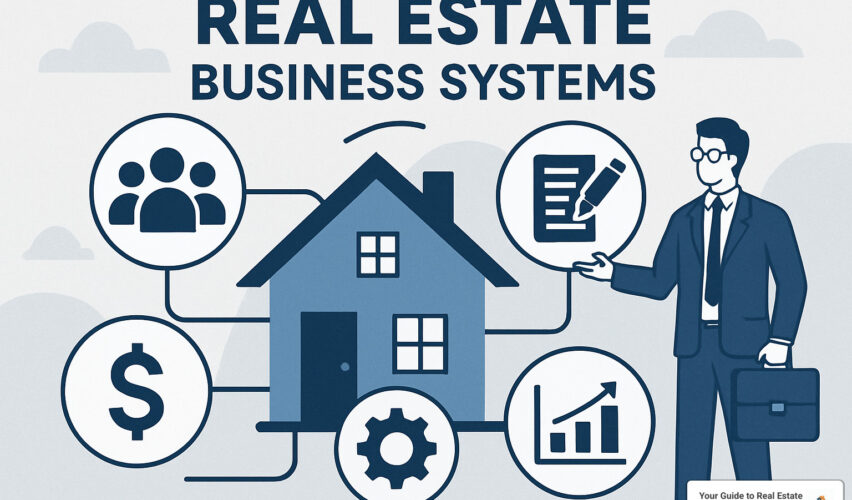
Real estate business systems are the structured processes, workflows, and technology tools that automate and standardize every aspect of your real estate practice. Here’s what you need to know:
Core Real Estate Business Systems:
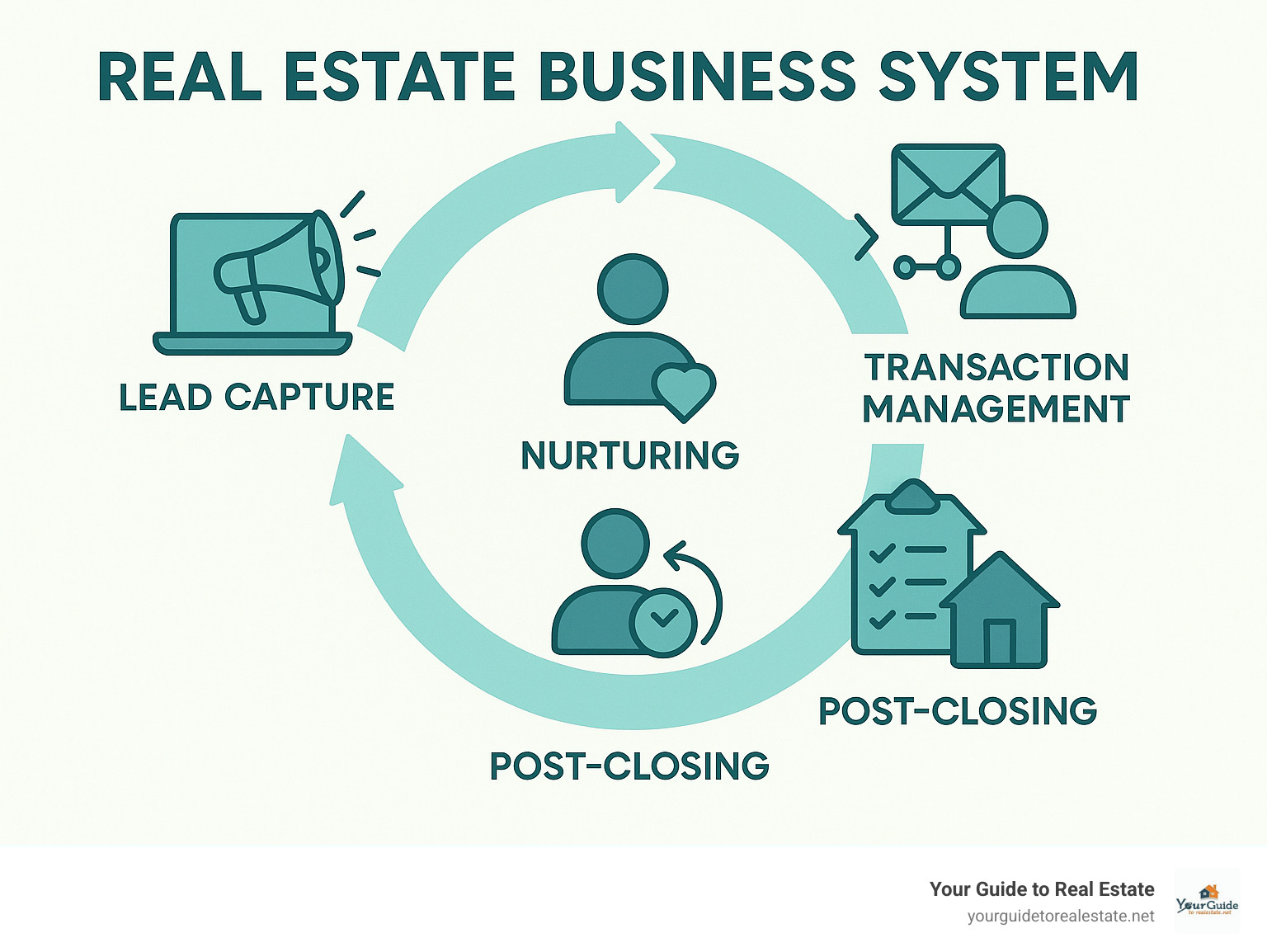
– Lead Generation & Nurturing – Automated funnels, drip campaigns, and follow-up sequences
– Transaction Management – Checklists, timelines, and compliance tracking from contract to closing
– Client Experience – Onboarding workflows, communication systems, and feedback collection
– CRM & Technology Integration – Centralized data, automated tasks, and reporting dashboards
– Post-Closing Systems – Referral programs, anniversary campaigns, and client retention
Most real estate professionals waste enormous amounts of time because they don’t create the operational systems necessary to run their businesses effectively. Without systems, you’re constantly reinventing the wheel for every client interaction.
The reality is simple: Top-performing agents rely on preparation meeting opportunity, not luck. When you have documented processes for everything from lead follow-up to closing procedures, you can focus on building relationships instead of scrambling to remember next steps.
Real estate involves a daily influx of leads, tasks, and decisions across distributed teams. Decision fatigue alone can drain your energy and hurt your performance. But when you systematize repetitive tasks, you free up mental bandwidth for high-value activities like negotiating deals and serving clients.
The most successful real estate professionals treat their practice like a business – with clear systems that can scale, be delegated, and deliver consistent results regardless of market conditions.
Real estate business systems basics:
– build real estate business
– real estate business cards
– real estate business growth
What Are Real Estate Business Systems & Why They Matter
Defining real estate business systems
Imagine walking into your office every morning knowing exactly what needs to happen next. No scrambling to remember which leads to call, no panic about missed deadlines, and no wondering if you’ve forgotten something important. That’s the power of real estate business systems.
Real estate business systems are your documented playbooks – the step-by-step processes, workflows, and technology tools that bring order to the beautiful chaos of real estate. They’re like having a personal assistant who never forgets anything and always knows the next step.
Think of successful restaurant chains. Whether you visit a location in New York or California, you get the same quality experience because they follow proven systems. The same principle applies to your real estate practice. When you have systems in place, every client gets your best work, whether it’s your first deal of the day or your tenth.
This approach reflects what productivity experts call “Quadrant II thinking” – focusing on important activities before they become urgent crises. Instead of constantly putting out fires, you’re building a business that runs smoothly even when you’re not watching every detail.
The beauty of systems lies in their predictability. Real estate involves countless repetitive tasks, from initial lead follow-up to closing procedures. When these processes are documented and automated, you eliminate guesswork and dramatically reduce costly errors.
The bottom-line benefits
Let’s talk numbers because that’s what really matters to your bottom line. Agents who implement comprehensive real estate business systems consistently outperform those who wing it every day.
Time becomes your friend again. Most agents using automated workflows save 10-15 hours per week by eliminating manual follow-up tasks and administrative busywork. That’s time you can spend with actual clients instead of drowning in paperwork.
Your costs stay predictable. Standardized processes prevent expensive mistakes and eliminate waste. No more forgotten follow-ups that cost you deals, or missed deadlines that create legal headaches. Automated marketing campaigns ensure consistent client touchpoints without the expense of hiring additional staff.
Your brand becomes rock-solid. Every client receives the same high-quality experience when you follow proven systems. This consistency builds your reputation faster than any advertising campaign ever could. Happy clients become walking billboards for your business.
Data drives your decisions. Proper systems generate real metrics that show exactly what’s working and what isn’t. You can track conversion rates, identify bottlenecks, and optimize your processes based on actual performance data rather than gut feelings.
Here’s something most agents don’t consider: decision fatigue is silently killing your performance. Research shows that making repetitive decisions throughout the day depletes your mental energy and leads to poor choices later.
When you systematize routine decisions – like which email template to use or what documents to send – you preserve your cognitive resources for high-stakes negotiations and complex problem-solving. Your brain stays sharp when it matters most.
The result? You make better decisions, serve clients more effectively, and build a business that actually works for you instead of against you.
Core Real Estate Business Systems Every Professional Needs
Building a thriving real estate business isn’t about working harder – it’s about working smarter with the right systems in place. As Tim and Julie Harris emphasize, lead generation forms the foundation, but it’s just one piece of a larger puzzle that must fit together perfectly.
Think of your real estate business systems like the organs in your body. Each one has a specific job, but they all need to work together to keep you healthy and growing. Miss one critical system, and you’ll feel the pain in your bottom line.
The most successful agents we work with have mastered three core areas: bringing in new leads, managing transactions smoothly, and turning clients into lifelong advocates. Let’s break down exactly how to build each system.
Lead Generation & Lead Nurturing Systems
Your lead generation system is like planting seeds in a garden – you need consistent effort and the right tools to see growth. Without leads, there simply aren’t any deals to close.
Building Your Lead Machine
Your IDX website serves as your digital storefront, capturing visitors while they browse properties. But here’s the key: it needs to be more than just pretty. It should be optimized for search engines and designed to convert browsers into contacts through smart lead capture forms.
Multi-channel campaigns work best when they’re coordinated, not scattered. Your Google Ads should complement your Facebook targeting, which should align with your direct mail efforts. This creates multiple touchpoints that build recognition and trust over time.
Lead capture tools like landing pages, surveys, and booking calendars turn website visitors into real prospects. The secret is making the value exchange obvious – people will gladly share their contact information for something genuinely helpful.
Nurturing Leads Into Clients
Here’s where many agents drop the ball. Getting someone’s contact information is just the beginning. Your follow-up system needs to be both persistent and valuable.
The most effective approach combines immediate response with long-term nurturing. When someone fills out a form on your website, they should hear from you within minutes, not hours. Then, your automated drip campaigns take over, delivering market insights, helpful tips, and relevant listings based on their specific interests.
Personal touches still matter in our digital world. A handwritten note or personalized video message can set you apart from agents who rely solely on automated emails. The goal is to stay top-of-mind while providing genuine value.
For more strategies on scaling your practice, check out our guide on real estate business growth.
Transaction, Compliance & Closing Systems

Once you’ve converted leads into clients, your transaction management system becomes your lifeline. This is where deals either close smoothly or fall apart due to missed deadlines and poor communication.
Mastering the Moving Parts
Every transaction involves dozens of moving pieces, from initial contracts to final walkthroughs. Standardized checklists ensure nothing falls through the cracks, whether you’re handling your first deal or your hundredth.
Your pre-listing preparation should be so systematic that you can create accurate CMAs and compelling listing presentations quickly. Marketing launch procedures ensure every property gets maximum exposure from day one.
E-signature integration isn’t just convenient – it’s essential for staying competitive. Modern buyers and sellers expect to handle paperwork digitally, and the faster you can move documents, the faster you can close deals.
Timeline tracking with automated reminders keeps everyone accountable. Your system should alert you about inspection deadlines, financing contingencies, and closing preparations well before they become urgent. This proactive approach prevents the last-minute scrambles that stress everyone involved.
Compliance documentation protects both you and your clients. Organized records of disclosures, fair housing compliance, and regulatory requirements aren’t just good business – they’re essential for avoiding costly legal issues.
Client Experience, Referral & Feedback Systems
Your client experience system is what transforms one-time transactions into a lifetime of referrals. The best part? Happy clients do your marketing for you.
Creating Memorable Experiences
Client onboarding sets the tone for your entire relationship. A well-designed welcome package explains what clients can expect, introduces your team, and establishes clear communication preferences. This eliminates confusion and builds confidence from day one.
Regular communication throughout the process keeps anxiety low and satisfaction high. Your system should provide updates at key milestones, even when there’s nothing urgent to report. Sometimes the most important message is simply “everything is on track.”
Feedback collection helps you improve while showing clients you care about their experience. Email surveys after major milestones, online review requests following successful closings, and testimonial collection for future marketing all serve dual purposes.
Building Your Referral Engine
The most profitable leads are referrals because they come pre-sold on your services. Automated follow-up keeps you connected with past clients through birthday reminders, home anniversary campaigns, and relevant market updates.
Client appreciation events create opportunities for natural referral conversations. Whether it’s a annual barbecue or quarterly market update meetings, these gatherings keep you top-of-mind when friends ask for agent recommendations.
Referral reward programs give clients extra motivation to send business your way. The key is making the process simple and the rewards meaningful. A small thank-you gift often generates more referrals than a large cash payment because it feels more personal.
Selecting & Integrating Your Real Estate CRM & Tech Stack
Choosing the right technology foundation can make or break your real estate business systems. Think of your CRM as the beating heart of your operation – everything else connects to it and flows through it.
The challenge isn’t finding technology options (there are hundreds). The real challenge is selecting tools that work together seamlessly without creating more work for you.

Most agents make one of two mistakes: they either try to do everything with one platform that’s mediocre at most things, or they cobble together so many specialized tools that they spend more time managing technology than serving clients.
The sweet spot lies in understanding your specific needs and growth trajectory. A solo agent just starting out has very different requirements than a team of ten agents handling 200 transactions annually.
| Approach | Pros | Cons | Best For |
|---|---|---|---|
| All-in-One CRM Platform | Single login, unified data, seamless workflows | Limited customization, potential vendor lock-in | Solo agents and small teams |
| Best-of-Breed Point Solutions | Specialized features, flexibility, customization | Complex integrations, multiple logins, higher costs | Large teams and brokerages |
| Hybrid Approach | Balance of integration and specialization | Requires technical expertise, ongoing maintenance | Growing teams with specific needs |
Before you get impressd by fancy features, consider your budget realistically. Technology costs can spiral quickly when you add multiple monthly subscriptions. Start with core functionality and expand as your business grows.
Security should be non-negotiable. You’re handling sensitive financial information and personal data. Any platform you choose must offer bank-level encryption and comply with real estate industry standards.
For more insights on building your technology foundation, explore our build real estate business guide.
Essential CRM Features for Real Estate Business Systems
Your CRM should be the command center where everything comes together. Without these core features, you’ll constantly fight against your technology instead of leveraging it.
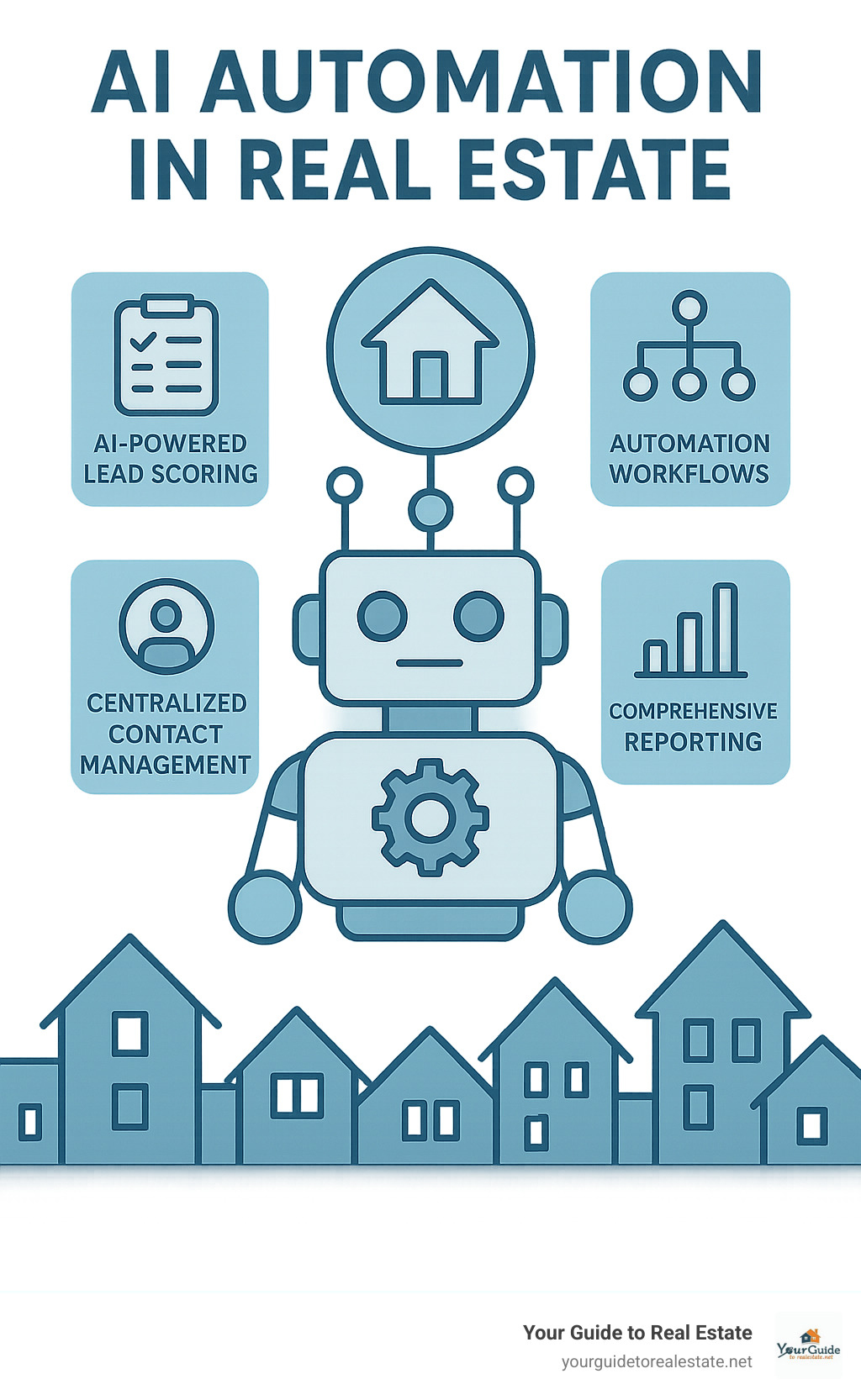
Centralized contact management means every email, phone call, document, and note lives in one place. When a client calls asking about their closing timeline, you should see their complete history instantly – not spend five minutes hunting through different systems.
AI-powered lead scoring takes the guesswork out of prioritizing your time. Modern systems analyze how leads interact with your emails, website, and listings to predict who’s most likely to buy or sell. This means you can focus your energy on the hottest prospects instead of chasing cold leads.
Automation workflows are where the real magic happens. Set up sequences that trigger based on client actions. When someone downloads your first-time buyer guide, they automatically enter a nurturing sequence designed specifically for new buyers. When a seller inquiry comes in, they get a different set of follow-ups focused on pricing and marketing.
Comprehensive reporting transforms your gut feelings into data-driven decisions. Track conversion rates from different lead sources, monitor your average days to close, and measure revenue per client. These insights reveal what’s working and what needs fixing.
IDX/MLS integration keeps your property data fresh automatically. Nothing kills credibility faster than showing clients listings that sold last week. Seamless integration ensures your searches and market reports always reflect current information.
Real-World Integration Blueprint
Here’s where theory meets reality. Integrating multiple systems successfully requires a strategic approach, not random tool selection.
Start with email marketing integration that connects your CRM with platforms that can segment contacts automatically. When someone moves from prospect to client, they should seamlessly transition from your nurturing campaigns to your transaction updates without manual intervention.
SMS communication has become essential, not optional. Two-way texting integrated with your CRM enables quick responses and automated appointment reminders. Clients expect immediate communication, and text integration makes this manageable.
Accounting software synchronization eliminates double data entry and commission tracking headaches. When a transaction closes in your CRM, the commission details should flow automatically to your bookkeeping system.
Marketing automation connects your social media scheduling, advertising platforms, and content management to your central database. This ensures consistent messaging and tracks which marketing efforts generate actual business.
For agents working with investors, property management integration creates comprehensive client service. When your investor client wants to see rental performance alongside their acquisition opportunities, integrated systems make this seamless.
API bridges solve integration challenges between systems that don’t naturally connect. Platforms like Zapier create automated workflows between different tools, ensuring data flows smoothly without manual copying and pasting.
The key is implementing integrations gradually. Start with your most critical connections first, test thoroughly, then expand. Trying to integrate everything at once usually creates more problems than it solves.
Automation, AI & Best Practices for Scaling Real Estate Business Systems
The future of real estate business systems lies in intelligent automation that handles routine tasks while preserving the personal touch that clients expect. Modern AI tools can engage leads, qualify prospects, and even schedule appointments indistinguishably from human interaction.
Using AI to Boost Real Estate Business Systems
AI-Powered Lead Engagement: Advanced systems like GeekAI can conduct initial conversations with leads, perform findy calls, and schedule appointments automatically. This ensures 24/7 responsiveness without requiring your constant attention.
Predictive Analytics: AI analyzes your historical data to predict which leads are most likely to convert, when past clients might be ready to move again, and which marketing channels deliver the best ROI.
Smart Follow-Up Systems: Instead of generic drip campaigns, AI can personalize follow-up messages based on lead behavior, property preferences, and engagement patterns. When someone repeatedly views luxury listings, the system automatically adjusts messaging to focus on high-end properties.
Behavioral Triggers: Modern systems use behavioral data to trigger specific actions. When a lead visits your website multiple times or favorites several properties, the system can automatically send personalized follow-up messages or schedule callback reminders.
The key is implementing AI that improves rather than replaces human relationships. Use automation to handle routine tasks so you can focus on high-value activities like negotiating deals and providing expert guidance.
Standardizing Processes & Checklists for Consistency
Effective real estate business systems rely on standardized processes that ensure consistent quality regardless of who executes them. For some agents, detailed checklists feel like a “happy place” that provides structure and confidence. For others, they might initially feel restrictive, but the long-term benefits are undeniable.
Must-Have Process Templates:
Listing Preparation Checklist:
– Property evaluation and pricing strategy
– Professional photography and staging coordination
– Marketing material creation and approval
– MLS entry and syndication verification
– Social media and advertising campaign launch
Buyer Consultation Package:
– Pre-qualification documentation
– Buyer representation agreement
– Neighborhood and market analysis
– Property search criteria and preferences
– Communication and showing schedule preferences
10-Day Lead Follow-Up Sequence:
– Day 1: Welcome call and email
– Day 2: Market update and value-add content
– Day 4: Personal check-in call or text
– Day 7: Educational resource delivery
– Day 10: Video message or handwritten note
Transaction Management Timeline:
– Contract execution and initial disclosures
– Inspection scheduling and coordination
– Financing milestone checkpoints
– Appraisal and title work monitoring
– Final walkthrough and closing preparation
Policy Documentation Library:
Create standardized responses to common situations. For example, develop policies for handling late payments, property maintenance issues, or client communication preferences. This ensures fair treatment and reduces decision fatigue.
Time management becomes much more effective when you implement frameworks like the Eisenhower Matrix to prioritize tasks within your systematic workflows.
For additional support with routine tasks, consider our guide on real estate virtual assistants to help implement your systems effectively.
Frequently Asked Questions about Real Estate Business Systems
How do real estate business systems help agents scale?
Think of real estate business systems as your business blueprint for growth. Without systems, you’re essentially running a very expensive hobby that depends entirely on your personal energy and availability. With systems, you’re building a real business that can grow beyond your individual capacity.
The magic happens when you create predictable processes that work the same way every time. When you have a documented system for following up with leads, your virtual assistant can handle it just as effectively as you would. When you have standardized listing presentations, any team member can deliver them with confidence.
Systems also give you the data you need to make smart decisions. Instead of guessing which marketing channels work best, your systems track exactly where your best clients come from. You can see which follow-up messages get responses and which ones get ignored. This kind of insight is impossible when you’re just winging it.
Most importantly, systems free you from the administrative quicksand that traps so many agents. When routine tasks run automatically, you can focus on what actually makes money – building relationships, negotiating deals, and growing your network. The agents who scale successfully spend their time on high-value activities while their systems handle everything else.
What should I look for in a real estate CRM?
Choosing the right CRM for your real estate business systems can feel overwhelming, but focus on the features that actually matter for your daily work.
Centralized information is non-negotiable. You need every client conversation, document, and note in one place. Nothing kills momentum like spending ten minutes hunting for a client’s phone number or last conversation notes.
Automation that actually works makes the biggest difference. Your CRM should send follow-up emails automatically, remind you about important dates, and trigger actions based on what clients do. If someone downloads your buyer’s guide, they should automatically get added to your first-time buyer sequence.
Mobile access is essential because real estate happens everywhere except your office. You need to check client information, add notes, and respond to messages whether you’re at a showing, in your car, or grabbing coffee.
Integration capabilities determine whether your CRM becomes your business hub or just another tool. It should connect smoothly with your email marketing, MLS system, accounting software, and other tools you use regularly.
The best CRM is the one you’ll actually use consistently. Don’t get distracted by fancy features you’ll never touch. Focus on systems that make your daily work easier and more efficient.
How often should I update my business systems?
Your real estate business systems need regular attention, but you don’t need to reinvent everything constantly. Think of system maintenance like car maintenance – regular check-ups prevent major breakdowns.
Monthly reviews keep you on track. Look at your numbers, read client feedback, and notice where things are getting stuck. If leads aren’t converting, dig into your follow-up process. If transactions are taking too long, examine your workflow for bottlenecks.
Quarterly deep dives give you the bigger picture. This is when you step back and ask whether your systems are still serving your goals. Maybe you’ve grown enough to need different tools, or perhaps market changes require new approaches.
Annual overhauls ensure your systems grow with your business. What worked when you were doing five transactions a year might not work when you’re doing fifty. Technology improves, markets shift, and your business evolves.
The most important updates happen when you spot problems. If the same issue keeps happening, that’s your systems telling you something needs fixing. Maybe clients are confused about your process, or team members keep making the same mistakes. These moments are gold – they show you exactly where to improve.
Perfect systems don’t exist. The goal is continuous improvement, not perfection. Each time you solve a problem with a better process, your business gets a little bit stronger and more efficient.
Conclusion
Building effective real estate business systems isn’t something you do once and forget about. It’s more like tending a garden – you plant the seeds, nurture growth, and keep improving what you’ve built over time.
The smartest agents don’t wait until they’re overwhelmed to create systems. They start building processes right alongside their business growth. Begin with the essentials like lead follow-up and client communication, then add more sophisticated automation as your practice expands.
Here’s the truth: The time you invest in creating systems now will give you freedom later. When you have reliable processes handling routine tasks, you can spend your energy on what really matters – building relationships, negotiating great deals, and serving clients exceptionally well.
Think of systems as your business insurance policy. They protect you from dropped leads, missed deadlines, and inconsistent client experiences. More importantly, they give you the confidence to take on more business because you know everything will be handled properly.
The continuous improvement mindset is what separates successful agents from those who struggle. Every time you encounter a problem or inefficiency, use it as an opportunity to strengthen your systems. This approach ensures your processes evolve with your business needs and market changes.
At YourGuideToRealEstate.net, we understand that building systems can feel overwhelming at first. That’s why we focus on making real estate concepts easier to understand and more accessible. Our expertise in market trends, technology, and career development helps you implement changes that actually work in the real world.
Ready to transform your practice? Start small – pick one system that would make the biggest difference in your daily work. Implement it, measure the results, and then move on to the next improvement. For comprehensive strategies on systematic business growth, check out our detailed guide on real estate business growth.
Success in real estate isn’t about working harder – it’s about working smarter. When preparation meets opportunity through well-designed real estate business systems, that’s when the magic happens.